Pregnancy Follow-Up During 9 Months Essential Tests at Each Stage
Pregnancy Follow-Up During 9 Months: Essential Tests at Each Stage
Regular pregnancy follow-up is one of the most important steps for maintaining the health of both the mother and the baby throughout pregnancy. From the beginning of pregnancy until delivery, regular medical visits help monitor the baby’s growth and development, assess the mother’s health, and identify any health concerns that may require early evaluation or treatment.
The timing and type of visits and tests vary from one woman to another depending on the stage of pregnancy, overall health, medical history, and the doctor’s recommendations.
Why Is Regular Pregnancy Follow-Up Important?
During pregnancy, the mother’s body undergoes continuous changes while the baby passes through different stages of growth and development. Regular follow-up helps:
Monitor the baby’s growth and development
Check the mother’s health throughout pregnancy
Monitor blood pressure, weight, and other important health indicators
Identify certain health problems at an early stage
Determine which tests are appropriate at each stage of pregnancy
Monitor the placenta and amniotic fluid when needed
Monitor the baby’s position and prepare for delivery during the final stages
Pregnancy Follow-Up During the First Trimester
Pregnancy follow-up usually begins with a medical visit to assess the mother’s health, confirm the pregnancy, and estimate the expected gestational age.
The doctor may recommend basic blood tests and other examinations, such as a complete blood count, blood type, and certain infection screening tests, depending on the woman’s medical history and individual needs.
An ultrasound may also be performed during early pregnancy to confirm the location of the pregnancy, assess its development, and help determine the gestational age more accurately.
Pregnancy Follow-Up During the Second Trimester
As pregnancy progresses, regular visits continue to monitor the mother’s health and the baby’s growth.
Follow-up may include monitoring blood pressure and weight, performing certain laboratory tests, and having ultrasound examinations appropriate for this stage of pregnancy.
During this stage, some tests may be recommended to assess the baby’s growth and overall pregnancy progress, depending on the doctor’s assessment.
Pregnancy Follow-Up During the Third Trimester
During the third trimester, follow-up becomes increasingly important as the delivery date approaches.
The doctor continues to monitor the baby’s growth and position, as well as the mother’s health, blood pressure, and other important indicators.
Ultrasound or other tests may be recommended when needed to assess the baby’s growth, placenta, and amniotic fluid, and to monitor the overall condition of the pregnancy as delivery approaches.
What Tests May Be Needed During Pregnancy?
The tests required during pregnancy vary from one woman to another and may include:
Blood tests
Urine tests
Blood pressure and weight measurements
Pregnancy ultrasound
Blood glucose testing at the appropriate stage of pregnancy
Other tests recommended by the doctor based on the mother’s health and stage of pregnancy
Not every woman needs all of these tests. The doctor determines which examinations are appropriate based on the individual health condition and stage of pregnancy.
Is Ultrasound Necessary During Pregnancy?
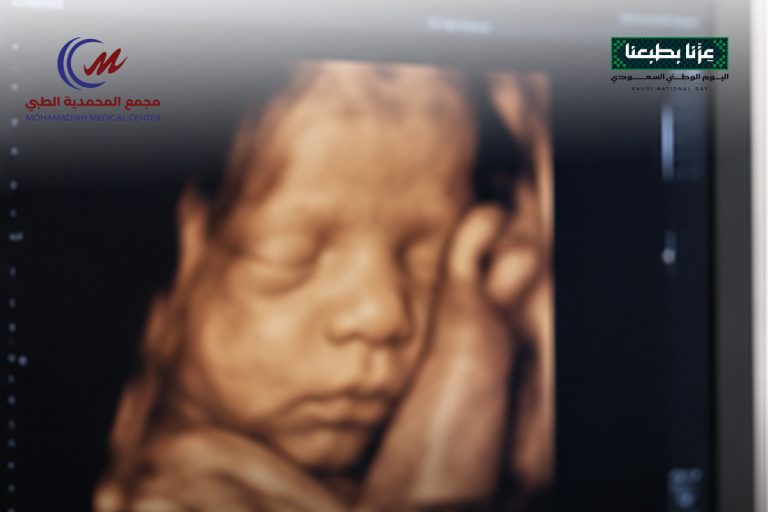
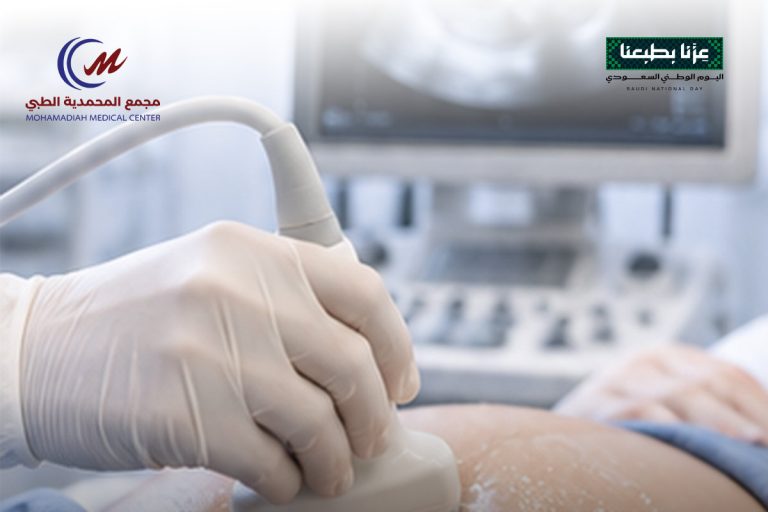
Ultrasound is an important part of pregnancy follow-up and may be used at different stages to assess the baby’s growth and location, as well as certain details related to the placenta and amniotic fluid.
The timing and type of ultrasound depend on the stage of pregnancy and the purpose of the examination. The doctor determines the most appropriate ultrasound for each case.
When Should You Contact Your Doctor Urgently?
Certain symptoms require prompt medical attention, such as vaginal bleeding, severe or persistent abdominal pain, fluid leakage, severe headache accompanied by other symptoms, or a noticeable decrease in fetal movement during the stage when fetal movements have become regular.
In an emergency, immediate medical care should be sought.
Pregnancy Follow-Up Is a Journey Throughout the 9 Months
Pregnancy follow-up is not a single visit but an ongoing process that changes according to the needs of each stage of pregnancy.
Keeping regular appointments helps the doctor monitor the health of both mother and baby, determine the appropriate tests at the right time, and prepare for delivery.
Regular follow-up also provides an opportunity to identify any changes that may require further evaluation at an early stage, allowing appropriate care based on the condition of the mother and baby.