Ovulation Tracking
Ovulation Tracking by Ultrasound: Importance and How It Is Done
Ovulation tracking by ultrasound is an examination that helps a gynecologist monitor ovarian activity during the menstrual cycle and assess the growth of follicles that contain the eggs.
This type of monitoring may be used in different situations, especially when trying to conceive, when menstrual cycles are irregular, when it is difficult to determine the timing of ovulation, or when monitoring the ovaries’ response to ovulation induction treatments.
What Is Ovulation Tracking by Ultrasound?
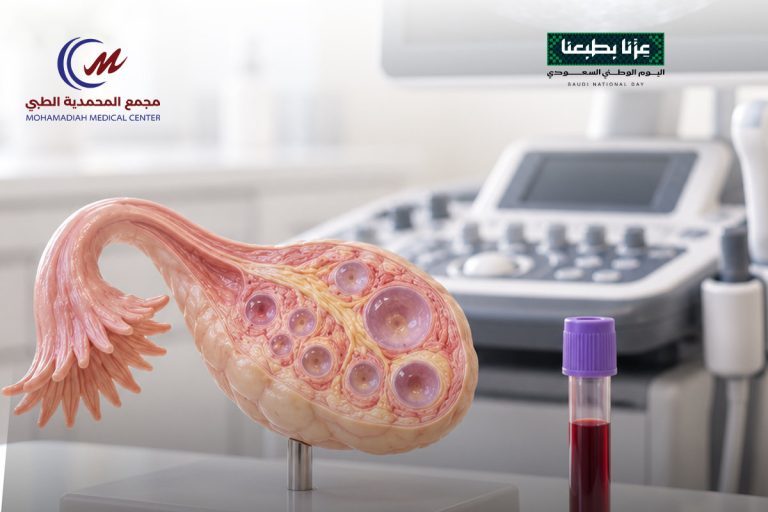
During each menstrual cycle, a group of follicles begins to grow inside the ovary. Usually, one follicle becomes the dominant follicle and continues to grow until ovulation occurs.
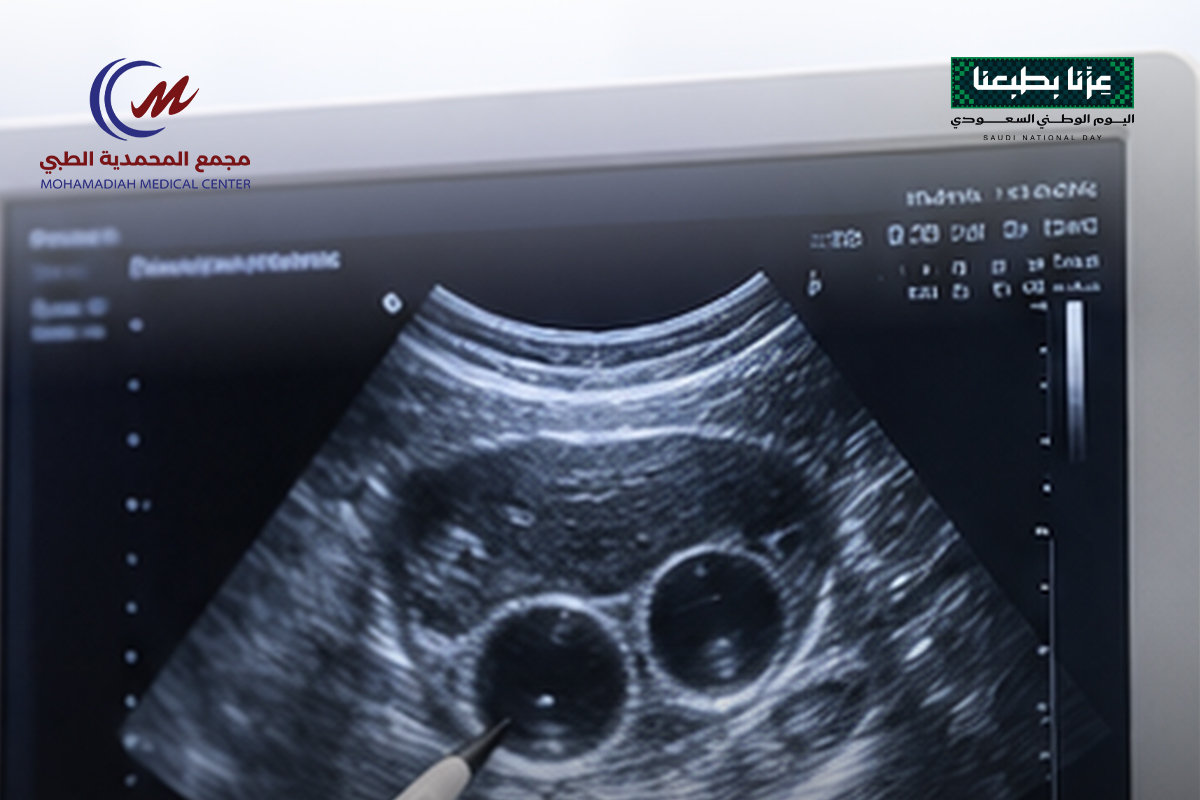
Ultrasound helps monitor this follicle and measure its size at different stages of the cycle. It can also be used to assess the uterine lining and some of the changes that occur as ovulation approaches.
Why Might You Need Ovulation Tracking?
Ovulation tracking may be helpful in several situations, including:
Irregular menstrual cycles.
Difficulty determining the timing of ovulation.
Delayed conception.
Monitoring ovulation induction treatments.
Evaluating the ovaries’ response to treatment.
Helping determine the appropriate timing for certain fertility procedures.
Having ovulation tracking does not necessarily mean that there is a problem. It may simply be a way to obtain more accurate information about the timing and pattern of ovulation.
How Is Ovulation Tracking Done?
The healthcare professional determines when to begin monitoring based on the length and regularity of the menstrual cycle and the purpose of the examination.
The first scan may be performed at the beginning or around the middle of the cycle and repeated at intervals determined by the healthcare professional to monitor follicle growth.
During each examination, the size of the follicles is assessed, along with changes in the ovaries and uterine lining. As the follicle approaches ovulation, the healthcare professional can estimate the expected timing of ovulation.
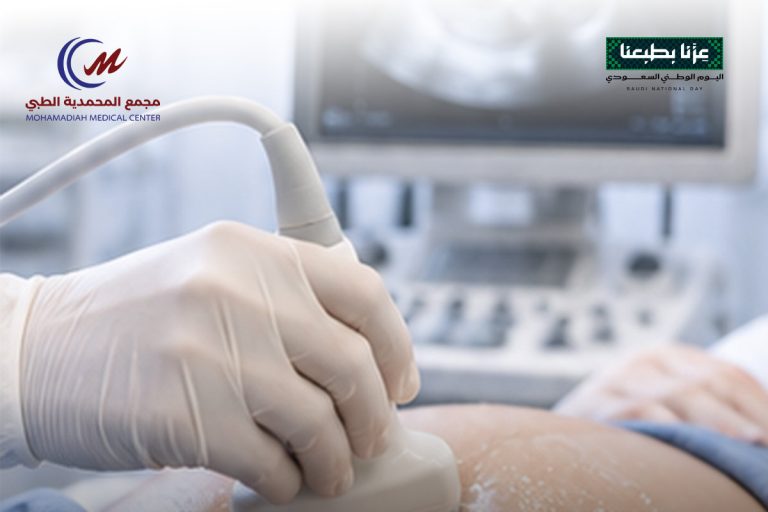
In some cases, a transvaginal ultrasound is used because it provides clearer images of the ovaries and uterus.
Does Ovulation Tracking Require More Than One Ultrasound?
In many cases, yes. A single examination may not be enough to accurately monitor follicle development and determine the timing of ovulation.
Therefore, a woman may need several ultrasound examinations during the same cycle. The number and timing of these examinations depend on the ovarian response and the results of each scan.
What Can an Ultrasound Show?
In addition to monitoring follicle growth, ultrasound can help the healthcare professional assess the uterine lining and monitor changes in the ovaries throughout the menstrual cycle.
This information can provide a clearer picture of the ovulation process, especially when monitoring fertility treatments.
Is Ovulation Tracking by Ultrasound Painful?
An abdominal ultrasound does not usually cause pain, while some women may experience mild discomfort during a transvaginal ultrasound.
The examination usually takes a short time, and the healthcare professional determines the most appropriate type of ultrasound based on the individual case.
Does Every Woman Need Ovulation Tracking?
No. Not every woman needs ovulation tracking by ultrasound. It may be recommended when there is a need to determine the timing of ovulation more accurately or when monitoring fertility treatments.
The number of examinations also varies from one woman to another depending on the regularity of the menstrual cycle and the purpose of monitoring.
Ovulation Tracking Helps With More Accurate Planning
Ovulation tracking by ultrasound provides the gynecologist with direct information about follicle growth and development throughout the menstrual cycle. It may be useful in cases of delayed conception, ovulation disorders, or during fertility treatments.
Most importantly, the timing and number of ultrasound examinations should be determined based on the gynecologist’s assessment and each woman’s individual condition.
Understanding the timing of ovulation and monitoring follicle development can help healthcare professionals make more informed decisions regarding reproductive health and pregnancy planning.