Hormone Test
When Do You Need a Hormone Test?
Hormones are chemical substances produced by the body that help regulate many important functions, including growth, metabolism, reproduction, sleep, and mood.
Changes in hormone levels may cause different symptoms, but these symptoms can have several possible causes. Experiencing one of these symptoms does not necessarily mean that you have a hormonal imbalance. Your doctor determines whether hormone testing is needed based on your symptoms, medical history, and overall health.
What Is a Hormone Test?
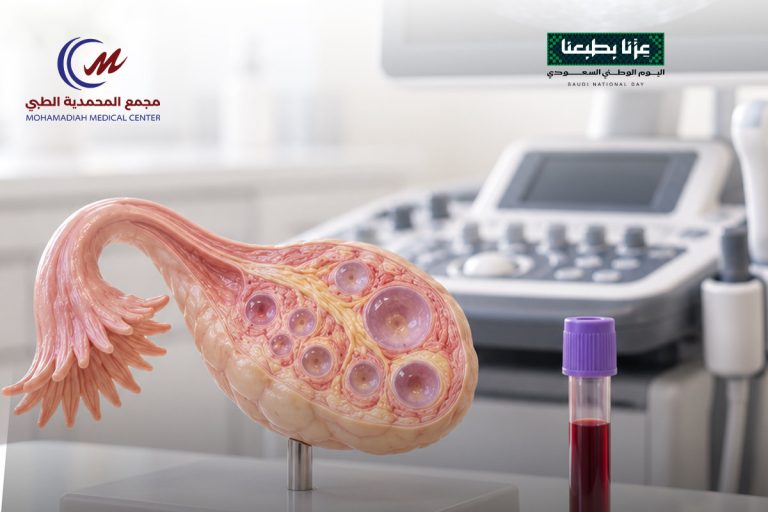
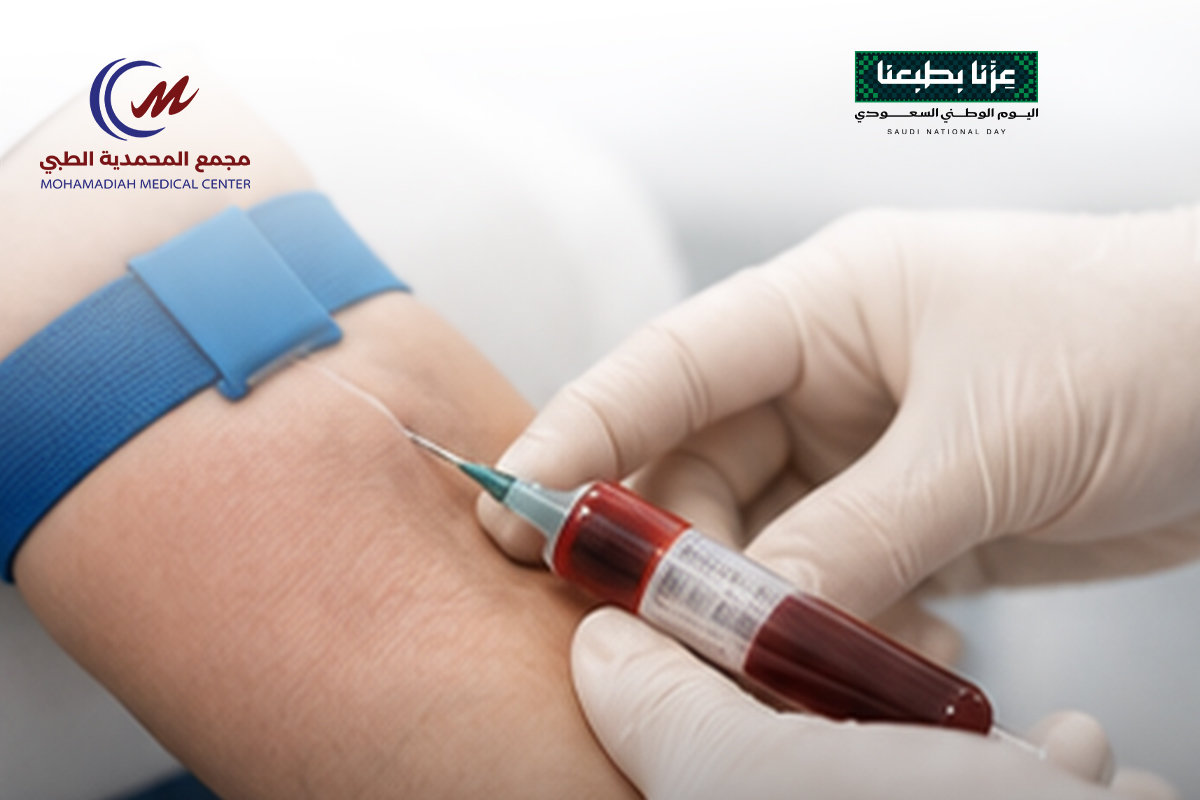
A hormone test is a laboratory test used to measure the level of a specific hormone in the body. It is usually performed using a blood sample, although other types of samples may be used depending on the hormone being tested.
Test results are interpreted based on several factors, including age, sex, health status, and the reference range used by the laboratory. Some hormone levels can also vary depending on the time of day or the stage of the menstrual cycle.
When Might You Need a Hormone Test?
Your doctor may recommend hormone testing if you have symptoms or signs that require evaluation of certain hormone levels, or when monitoring a specific health condition.
Symptoms that may require medical evaluation include:
Irregular or missed menstrual periods
Difficulty becoming pregnant
Unexplained changes in weight
Persistent fatigue
Noticeable changes in the hair or skin
Sleep disturbances or significant mood changes
Symptoms that may be related to a thyroid disorder
Unusual increase or decrease in hair growth
Symptoms associated with ovulation or fertility problems
Having one or more of these symptoms does not necessarily indicate a hormonal problem. There may be other causes, which is why medical evaluation is important to determine the underlying cause and the appropriate tests.
What Are the Most Common Hormones That Can Be Tested?
The type of hormone test needed varies from one woman to another depending on her symptoms, medical history, and the purpose of the test. Your doctor may recommend testing hormones such as:
Thyroid Hormones
Thyroid hormones help regulate metabolism and energy levels in the body. Thyroid function tests may be recommended when symptoms suggest a possible thyroid disorder.
Fertility and Ovulation Hormones
Certain hormones related to ovulation and fertility may be tested when evaluating irregular menstrual cycles, ovulation problems, or difficulty becoming pregnant. The type and timing of these tests depend on the individual case.
Other Hormones
There are many other hormones that can be measured. The choice of test depends on your symptoms, medical history, and the purpose of the evaluation.
Does the Timing of a Hormone Test Matter?
In some cases, timing is important, especially for hormones whose levels change throughout the day or during different stages of the menstrual cycle.
Your doctor may therefore recommend a specific day or time for certain tests, particularly when evaluating ovulation or fertility problems, to obtain results that can be interpreted more accurately.
Is a Hormone Test Result Enough to Make a Diagnosis?
Not always. Hormone test results need to be interpreted alongside your symptoms, medical history, and clinical examination. Your doctor may also recommend additional tests depending on your condition.
A hormone level that is higher or lower than the laboratory reference range does not necessarily mean that you have a disease or hormonal disorder. For this reason, hormone test results should not be interpreted on their own without medical evaluation.
When Is Hormone Testing Important for Women?
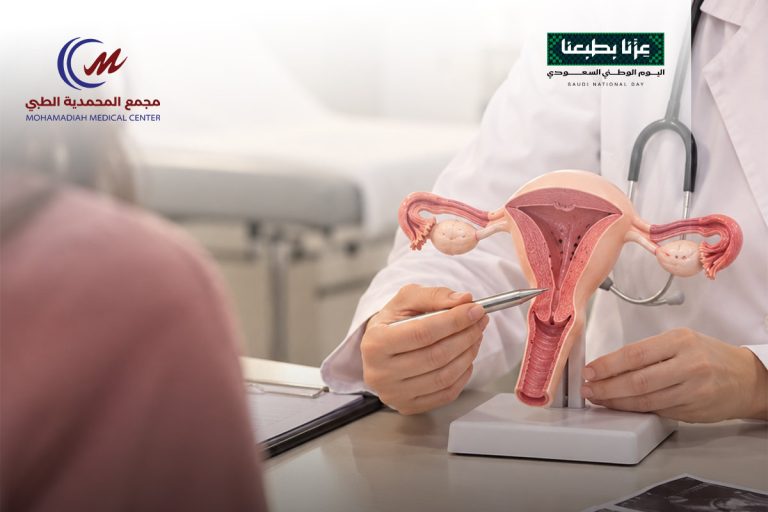
Hormone testing can be an important tool when evaluating various symptoms and health concerns in women, particularly menstrual cycle or ovulation problems, fertility concerns, or symptoms that may be related to the thyroid or other hormonal conditions.
If you notice unusual or persistent symptoms, a medical evaluation can help determine the possible cause and whether you need hormone testing or other appropriate examinations.