Pregnancy Hormone Test and Ultrasound Important Tests in Early Pregnancy
Pregnancy Hormone Test and Ultrasound: When Should You Get Checked?
Early pregnancy is an important stage that requires appropriate medical care and follow-up. A pregnancy hormone test and ultrasound are among the tests that may be used to evaluate pregnancy during its early stages.
Each test provides different information, and your doctor may recommend one or both depending on the timing of the pregnancy, your symptoms, and your overall health.
What Is the Pregnancy Hormone?
The pregnancy hormone, known as human chorionic gonadotropin (hCG), is produced by the body after pregnancy begins.
Its level generally increases during the early stages of pregnancy, which makes it useful for detecting pregnancy and, in some situations, monitoring its development.
What Is a Pregnancy Hormone Blood Test?
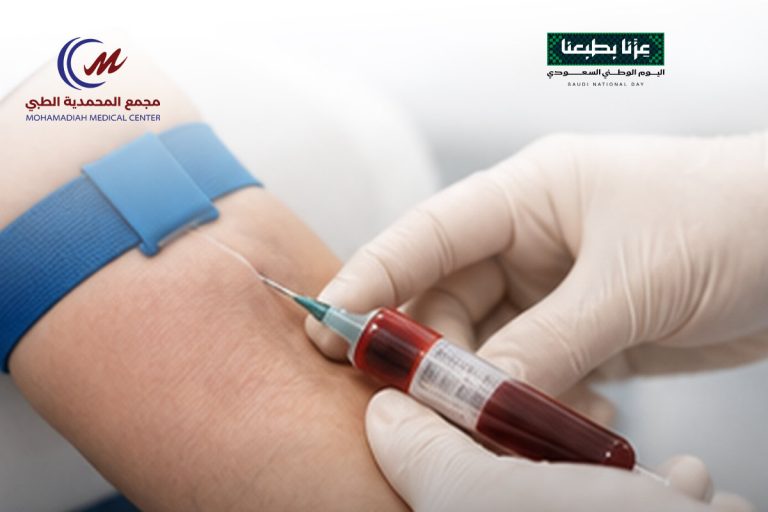
A pregnancy hormone blood test measures the level of hCG in your blood.
It can detect pregnancy relatively early and may provide more information than a pregnancy test that only gives a positive or negative result.
In some situations, your doctor may recommend repeating the test after a certain period to monitor how the hCG level changes, particularly during early pregnancy.
It is important to remember that a single hCG result cannot always determine whether a pregnancy is developing normally. Your doctor will interpret the result based on your individual situation and may recommend additional tests when needed.
When Can You Take a Pregnancy Hormone Test?
hCG can be detected in the blood relatively early after pregnancy begins. However, the timing of hCG production and its level can vary from one woman to another.
If the test is performed very early, the hormone level may still be low. In some cases, a doctor may recommend repeating the test if the result is unclear or if the timing of pregnancy is uncertain.
What Is the Role of Ultrasound in Early Pregnancy?
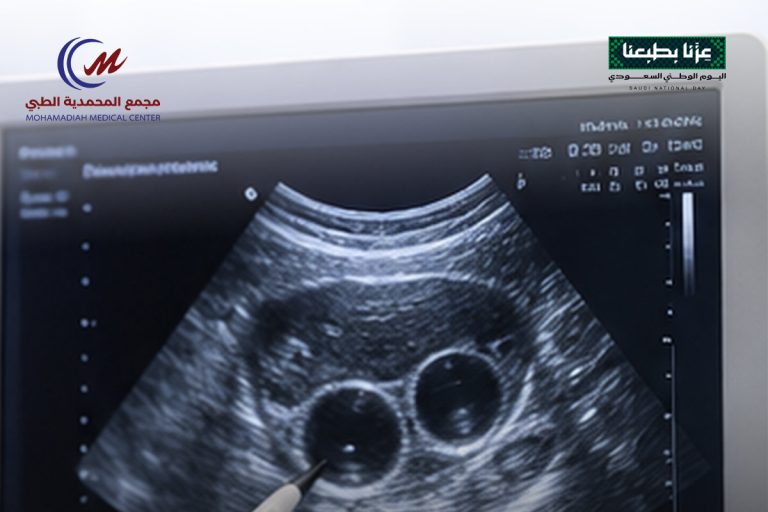
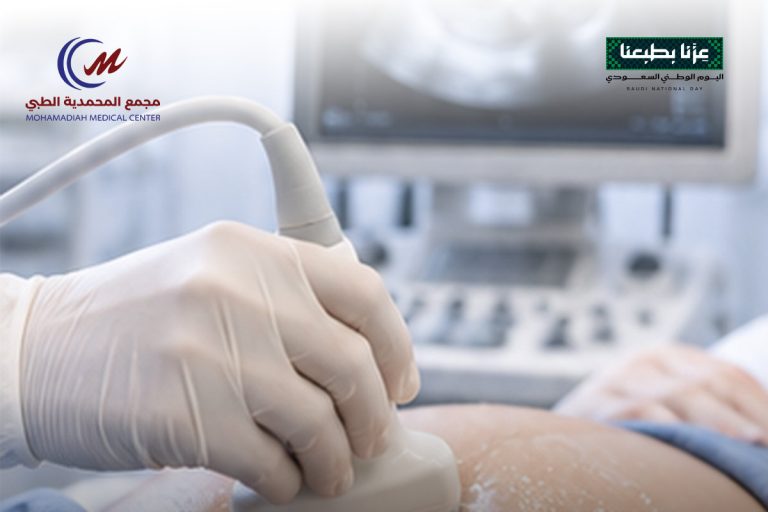
Ultrasound, also known as a pregnancy scan, uses sound waves to create images of the uterus and pregnancy.
During early pregnancy, ultrasound can help your doctor assess:
- Whether the pregnancy is located inside the uterus.
- The estimated age of the pregnancy.
- The development of the pregnancy according to its stage.
- The gestational sac and other early pregnancy structures when they are expected to be visible.
- The heartbeat when the pregnancy has reached the appropriate stage.
- Possible causes of pain or bleeding during early pregnancy.
What can be seen on an ultrasound depends on the stage of pregnancy, the timing of the scan, and the type of ultrasound performed.
When Can Pregnancy Be Seen on Ultrasound?
Pregnancy does not become visible on ultrasound at exactly the same time for every woman.
The timing depends on factors such as the gestational age, hCG level, and the type of ultrasound used.
If an ultrasound is performed very early and certain expected signs are not yet visible, your doctor may recommend repeating the scan after an appropriate period rather than relying on a single examination.
Can a Pregnancy Hormone Test Replace an Ultrasound?
No. Both tests provide different types of information.
The pregnancy hormone test measures hCG levels and can help confirm pregnancy and monitor hormone changes when needed. Ultrasound, on the other hand, allows the doctor to assess the pregnancy itself, including its location and development according to the stage of pregnancy.
For this reason, doctors may use both tests together, particularly when evaluating early pregnancy.
When Should You Have an Early Pregnancy Check-Up?
A medical evaluation may be recommended if your period is late and pregnancy is possible, or if you experience symptoms such as:
- A missed or delayed period.
- Nausea or vomiting.
- Unusual tiredness.
- Breast tenderness.
- Increased urination.
These symptoms can have different causes and do not confirm pregnancy on their own. A pregnancy test is the appropriate way to confirm whether you are pregnant.
Do You Need an Ultrasound After a Positive Pregnancy Test?
After pregnancy is confirmed, your doctor will determine the appropriate timing for an ultrasound based on your last menstrual period, symptoms, and overall health.
In some cases, an early ultrasound may be recommended to assess the location and development of the pregnancy, particularly if you have symptoms that require medical evaluation.
When Should You Seek Medical Care Urgently?
If you have a positive pregnancy test and experience severe or persistent abdominal or pelvic pain, vaginal bleeding, severe dizziness, or fainting, you should seek medical attention promptly.
These symptoms can have several possible causes, and some may require urgent medical assessment. It is important not to delay evaluation or rely on pregnancy hormone results alone.