Fertility Tests The Most Important Tests to Identify the Cause
Fertility Delay Tests: How Can They Help Identify the Cause?
Delayed pregnancy can sometimes require a medical evaluation, especially when pregnancy does not occur despite regular attempts. Delayed pregnancy can be related to different factors affecting either the woman or the man, so appropriate testing can help identify possible causes and determine the next steps.
Delayed pregnancy does not necessarily mean there is a permanent fertility problem. Some causes may be temporary or treatable.
When Should You Consider a Fertility Evaluation?
The appropriate time to start a fertility evaluation depends on the woman’s age and the couple’s medical history.
In general, an evaluation is recommended after 12 months of regular intercourse without contraception if the woman is under 35 years old.
For women aged 35 or older, an evaluation may be recommended after 6 months of trying without pregnancy.
Earlier evaluation may be appropriate when there is a medical history that could affect fertility, such as irregular periods, previous ovarian or uterine problems, or known fertility issues in the man.
What Can Cause Delayed Pregnancy?
Delayed pregnancy can be related to different factors, including:
- Ovulation problems
- Polycystic ovary syndrome (PCOS)
- Hormonal imbalances
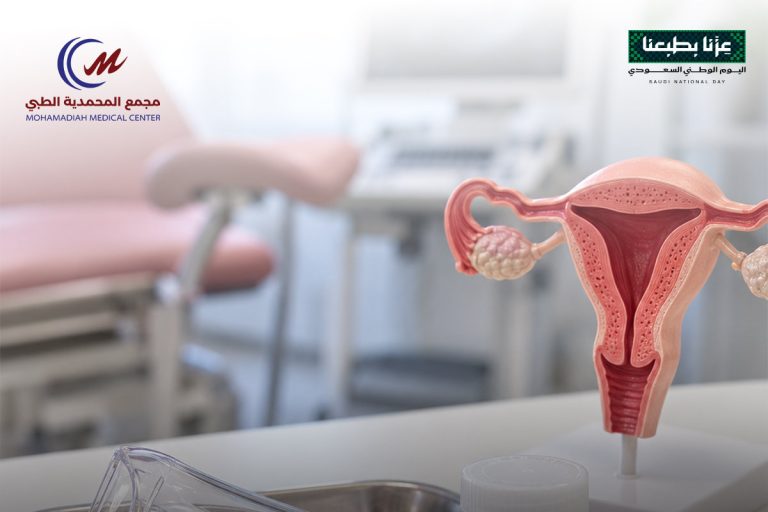
- Problems affecting the uterus or ovaries
- Blocked or damaged fallopian tubes
- Reduced ovarian reserve
- Certain male fertility problems
- Some lifestyle-related factors
In some cases, no clear cause is identified even after fertility testing.
What Are the Main Fertility Tests for Women?
The doctor chooses the appropriate tests based on the woman’s age, menstrual cycle, symptoms, and medical history.
Hormone Tests
The doctor may recommend hormone tests to evaluate ovarian function and ovulation, such as:
- FSH
- LH
- Estradiol
- Prolactin
- TSH
Other hormone tests may also be recommended depending on the individual case.
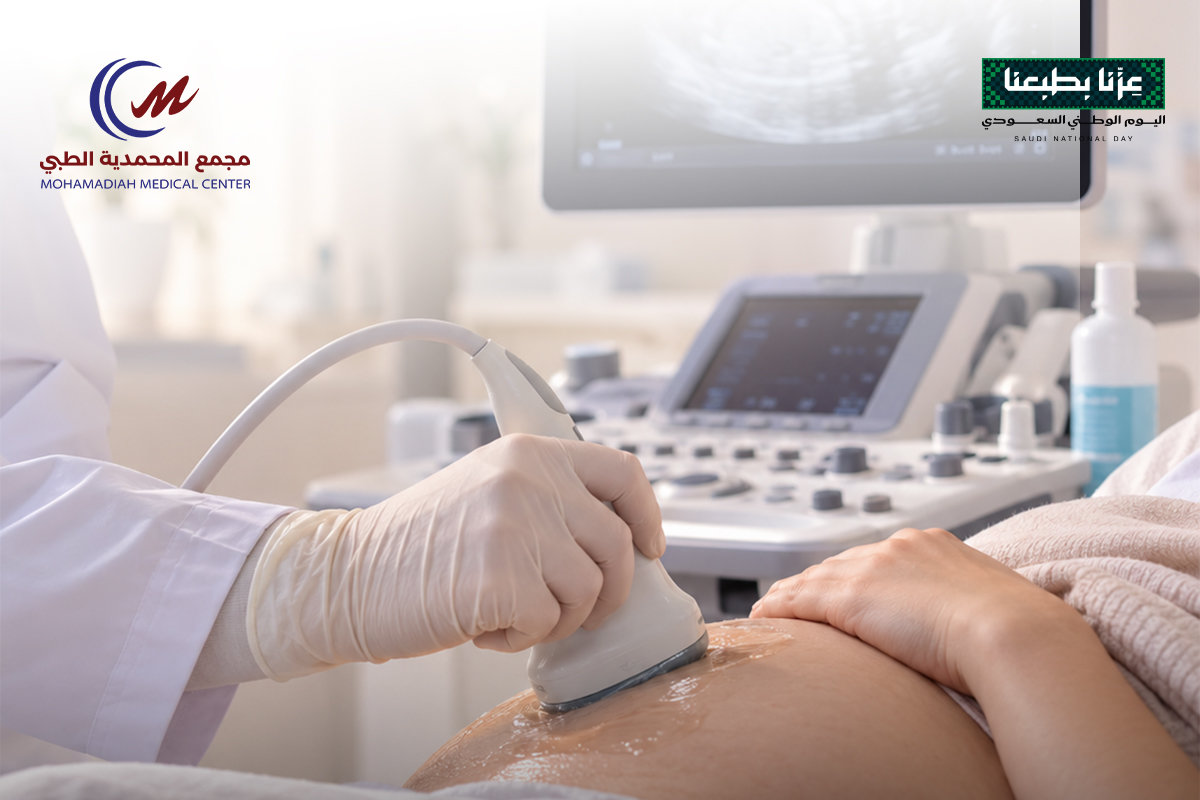
Uterus and Ovary Ultrasound
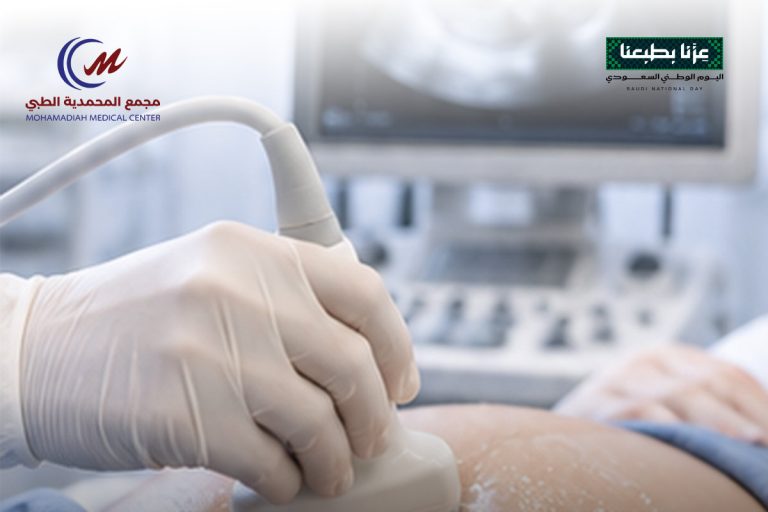
An ultrasound can help evaluate the uterus and ovaries and may detect certain conditions such as polycystic ovaries, ovarian cysts, fibroids, and other changes that may affect fertility.
Ultrasound can also be used to monitor follicle growth and ovulation in some cases of delayed pregnancy.
How Is Ovarian Reserve Evaluated?
The doctor may recommend tests to assess ovarian reserve, such as an AMH test, particularly when there is a medical reason to evaluate ovarian reserve.
It is important to understand that AMH alone cannot determine whether a woman can or cannot become pregnant. The result should be interpreted together with other tests and the overall medical evaluation.
Does the Man Need Fertility Tests?
Yes. Fertility evaluation should not focus only on the woman, as fertility problems can also be related to factors affecting the man.
One of the main initial tests is a semen analysis, which evaluates factors such as sperm count, movement, and shape.
Additional tests may be recommended depending on the semen analysis results and the man’s medical history.
Can Ultrasound Identify the Cause of Delayed Pregnancy?
Ultrasound is an important part of fertility evaluation, but it cannot identify every possible cause of delayed pregnancy.
It can help evaluate the uterus and ovaries and monitor ovulation, while some cases may require hormone tests or other examinations to assess the fallopian tubes or male fertility.
The appropriate tests therefore depend on each couple’s individual situation.
Do Irregular Periods Mean There Is a Fertility Problem?
Not necessarily. However, irregular menstrual cycles can sometimes be a sign of an ovulation or hormonal problem.
For this reason, identifying the cause of irregular periods may be important, especially when pregnancy has been delayed.
When Should You See a Doctor?
If pregnancy has not occurred after an appropriate period of trying, it is better to consider a medical evaluation for both partners rather than relying on a single test.
Earlier evaluation may also be recommended if there are significant menstrual irregularities, pelvic pain, a medical history that may affect fertility, or known fertility problems in either partner.