PCOS
Symptoms of Polycystic Ovary Syndrome (PCOS): When Should You Seek Treatment?
Polycystic Ovary Syndrome (PCOS) is one of the most common hormonal disorders affecting women of reproductive age. It can impact the menstrual cycle, fertility, and overall health. While some women may not experience noticeable symptoms, early diagnosis can help manage the condition and reduce the risk of complications.
What is PCOS?
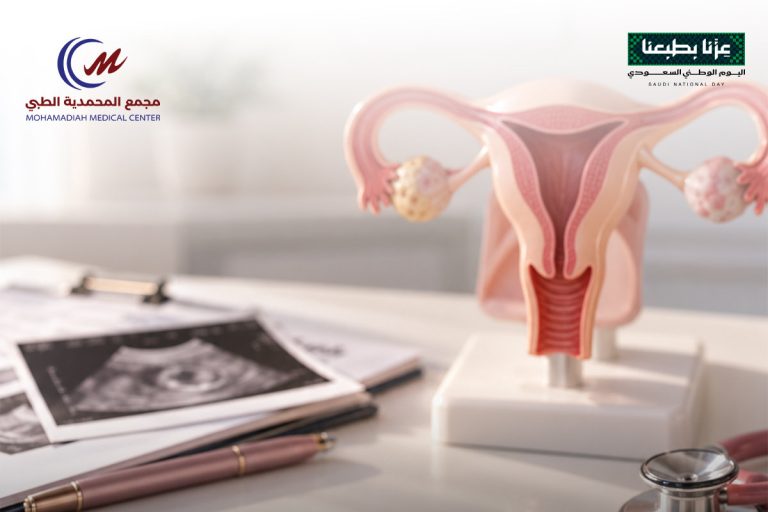
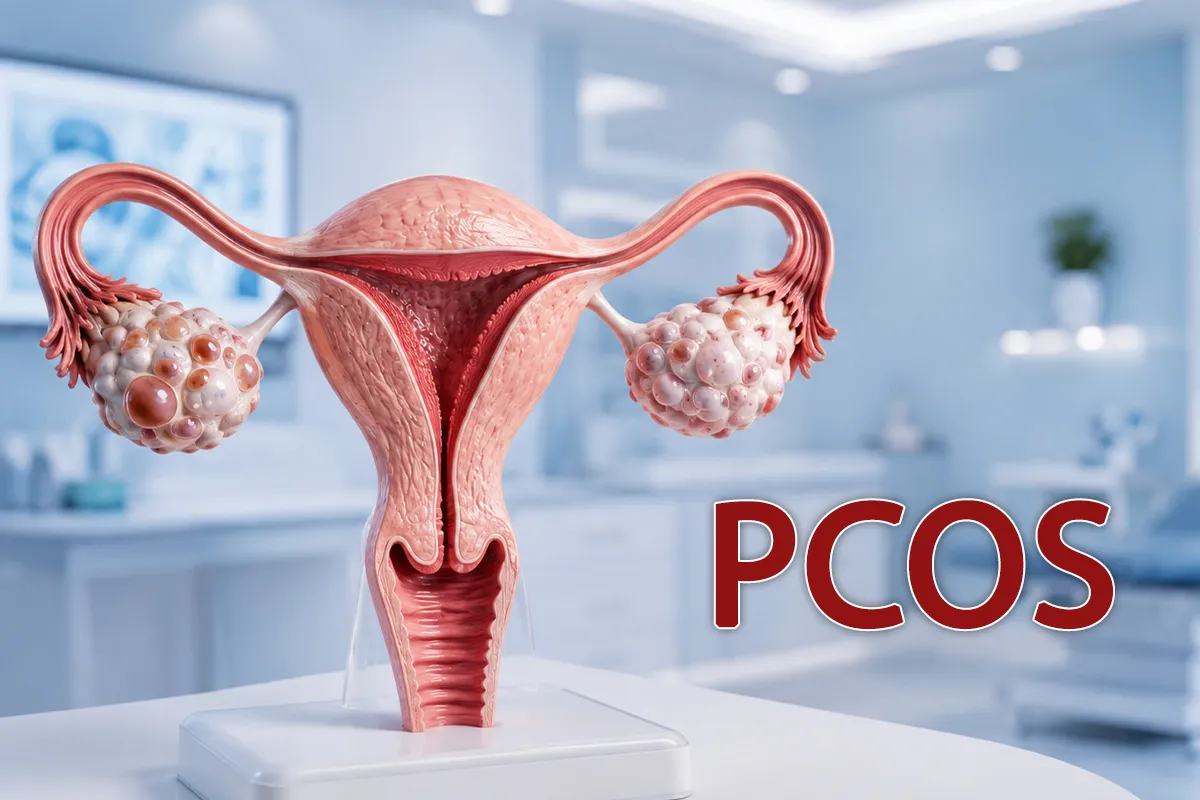
Polycystic Ovary Syndrome (PCOS) is a hormonal disorder that affects ovulation. It may be associated with elevated androgen (male hormone) levels and the presence of multiple small cysts on the ovaries seen during an ultrasound examination.
However, the presence of ovarian cysts alone is not required for diagnosis. PCOS is diagnosed based on symptoms, clinical examination, and medical test results.
What Are the Symptoms of PCOS?
Symptoms vary from one woman to another, but the most common include:
- Irregular or absent menstrual periods.
- Difficulty getting pregnant due to irregular ovulation.
- Excess hair growth on the face or body.
- Acne or oily skin.
- Hair thinning or hair loss.
- Weight gain or difficulty losing weight.
- Darkened skin in certain areas, such as the neck or underarms.
- Fatigue or mood changes in some cases.
When Should You See a Gynecologist?
You should schedule an appointment if you experience:
- Frequent irregular menstrual cycles.
- Difficulty conceiving after an appropriate period of trying.
- Excessive hair growth or persistent acne.
- Weight gain accompanied by irregular periods.
- Symptoms that may indicate a hormonal imbalance.
Early diagnosis allows your doctor to develop an appropriate treatment plan before complications develop.
How is PCOS Diagnosed?
Diagnosis is based on several factors, including:
- Reviewing your medical history and symptoms.
- Physical examination.
- Hormonal and blood sugar tests when needed.
- Pelvic ultrasound to evaluate the ovaries.
Does PCOS Require Treatment?
Not every woman diagnosed with PCOS requires the same treatment. The treatment plan depends on age, symptoms, and whether pregnancy is desired.
Treatment may include:
- Lifestyle modifications and a healthy diet.
- Regular physical activity.
- Medications to regulate the menstrual cycle.
- Ovulation induction medications for women trying to conceive.
- Treatment for insulin resistance if present.
- Regular follow-up appointments to monitor the condition.
Can You Get Pregnant with PCOS?
Yes. Many women with PCOS can become pregnant naturally or with appropriate treatment. Early diagnosis and adherence to the recommended treatment plan can significantly improve fertility.
Can PCOS Complications Be Prevented?
The risk of complications can be reduced by:
- Maintaining a healthy weight.
- Exercising regularly.
- Following a balanced diet.
- Attending regular medical check-ups.
- Taking prescribed medications as directed.
Frequently Asked Questions
Does PCOS cause infertility?
Not necessarily. PCOS may interfere with ovulation and delay pregnancy, but fertility can often be improved with appropriate treatment.
Does PCOS go away on its own?
PCOS is a chronic condition that requires ongoing management. However, its symptoms can be effectively controlled through treatment and lifestyle changes.
Is weight gain a cause or a result of PCOS?
The relationship is two-way. PCOS can make weight management more difficult, while excess weight may worsen the symptoms.
Does an irregular menstrual cycle always mean PCOS?
No. Irregular periods can have several causes, so it is important to consult a gynecologist for a proper evaluation and diagnosis.
When Should You Book an Appointment?
If you experience irregular menstrual cycles, difficulty getting pregnant, or any symptoms of PCOS, do not delay seeking medical care. Early diagnosis and an individualized treatment plan can help improve reproductive health and reduce complications.
Book your appointment at the Obstetrics & Gynecology Clinic at Almohamadia Medical Complex for a comprehensive evaluation and a personalized treatment plan.