
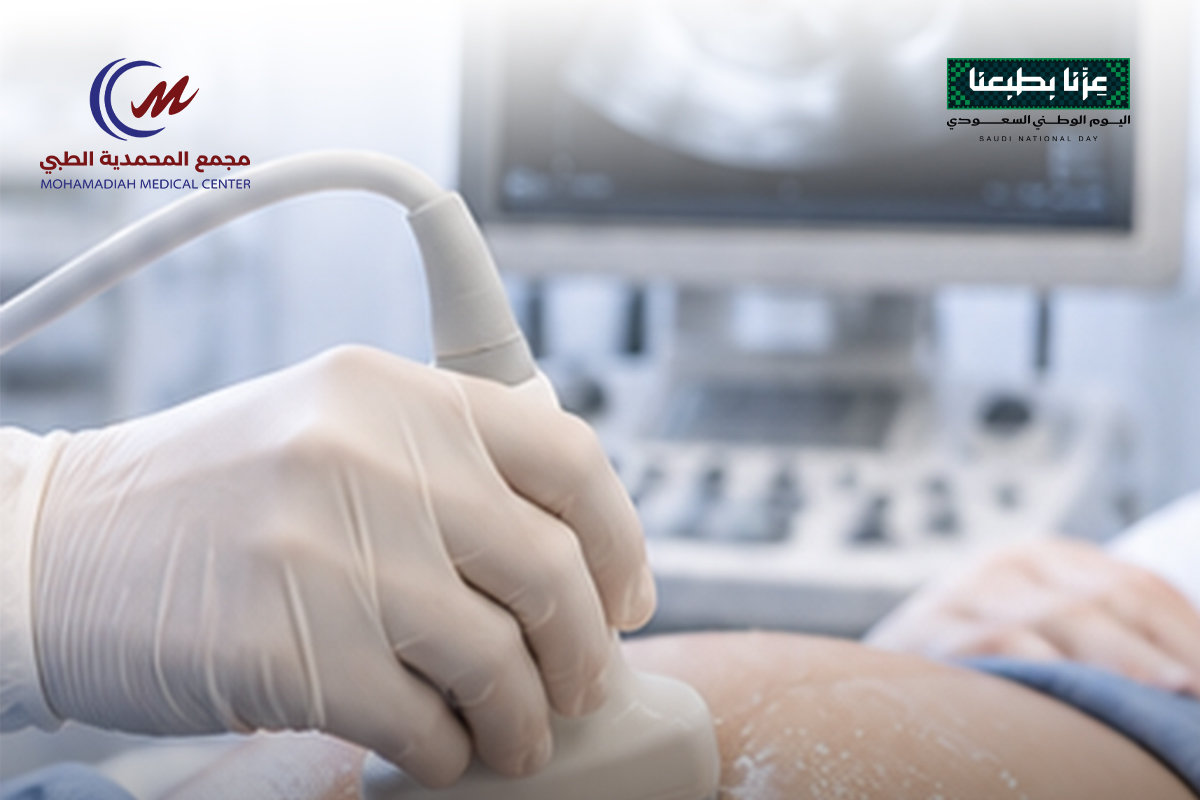
Pregnancy Ultrasound
Pregnancy Ultrasound: Its Importance and When It Is Performed
Pregnancy ultrasound is one of the important examinations used throughout pregnancy to monitor the health of the mother and baby and assess the progress of the pregnancy at different stages. Ultrasound uses sound waves to create images that help the healthcare professional obtain important information about the uterus, fetus, placenta, and amniotic fluid without using X-rays.
The timing and frequency of ultrasound examinations vary from one woman to another depending on the stage of pregnancy, health condition, and whether there are any factors that require additional monitoring. The healthcare professional determines the appropriate type and timing of the examination based on each individual case.
What Is a Pregnancy Ultrasound?
A pregnancy ultrasound is an examination that uses ultrasound waves to create images of the uterus and fetus. It helps the healthcare professional assess several aspects of the pregnancy, including the presence and location of the pregnancy, fetal growth and development, and the fetal heartbeat when it can be evaluated.
It can also provide information about the placenta and the amniotic fluid.
The type of ultrasound may vary depending on the stage of pregnancy and the purpose of the examination. In early pregnancy, the ultrasound may be performed through the abdomen or vagina depending on what the healthcare professional considers appropriate.
Why Is Ultrasound Performed During Pregnancy?
Ultrasound helps healthcare professionals monitor pregnancy and obtain important information about fetal health and development. It may be used to:
Confirm the presence of pregnancy and determine its location.
Monitor fetal growth and development.
Assess the fetal heartbeat when it can be visualized and evaluated.
Estimate the gestational age and expected due date.
Assess the location of the placenta.
Evaluate the amount of amniotic fluid surrounding the fetus.
Monitor the fetal position during different stages of pregnancy.
Help assess certain changes or conditions that may require additional monitoring.
When Is Pregnancy Ultrasound Performed?
Ultrasound can be performed at different times throughout pregnancy, and the purpose of the examination varies depending on the gestational age and the woman’s health condition.
During early pregnancy, ultrasound may be used to confirm that the pregnancy is located inside the uterus and to assess its early development. The fetal heartbeat can also be evaluated when it becomes possible to visualize it.
During the second trimester, ultrasound can be used to monitor fetal growth and assess certain details related to fetal development and the formation of organs, as well as evaluate the placenta and amniotic fluid.
During the later stages of pregnancy, ultrasound may help monitor fetal growth and position, assess the placenta and amniotic fluid, and evaluate other aspects of the pregnancy when needed.
Is Ultrasound Safe During Pregnancy?
Ultrasound uses sound waves rather than X-rays and has been widely used for pregnancy monitoring for many years.
In general, ultrasound is considered safe when used for medical purposes by trained professionals and according to medical recommendations. Unnecessary examinations should be avoided unless recommended by a healthcare professional.
Can Ultrasound Determine the Baby’s Sex?
Ultrasound may help determine the baby’s sex during certain stages of pregnancy. However, visibility depends on the gestational age, the baby’s position, image quality, and other factors.
Therefore, it may not always be possible to determine the sex clearly during every examination. This depends on what can be visualized during the scan.
Can Ultrasound Detect All Fetal Problems?
Ultrasound provides important information about the pregnancy and fetus and can help detect certain abnormalities or conditions. However, its ability to detect different conditions varies depending on the type of examination, stage of pregnancy, fetal position, and other factors.
Therefore, a normal ultrasound result does not necessarily rule out all health conditions. Additional tests may be recommended when necessary based on the individual pregnancy.
What Is the Difference Between Routine and Detailed Ultrasound?
The purpose of an ultrasound examination varies depending on its type and the stage of pregnancy. Routine ultrasound helps monitor the pregnancy and assess fetal growth and other basic details, while more detailed examinations may be performed at specific stages to assess the fetus’s organs and development more closely.
The healthcare professional determines the most appropriate type of examination based on the gestational age, health condition, and any other factors that may require additional monitoring.
Why Is Regular Pregnancy Monitoring Important?
Regular prenatal visits help monitor the health of both the mother and baby and identify any changes that may require further evaluation. They also allow the healthcare professional to determine the appropriate examinations for each stage of pregnancy, including blood tests and imaging examinations such as ultrasound.
Ultrasound is an important tool for pregnancy monitoring, providing information that helps assess fetal growth, development, and the progress of the pregnancy at different stages.