Early Detection of Cervical Cancer Screening and Abnormal Cell Changes
Early Detection of Cervical Cancer and Abnormal Cell Changes
Cervical cancer is one of the types of cancer that can often be prevented or detected at an early stage through regular screening.
Cervical screening can help identify abnormal cell changes before they develop into cervical cancer in some cases, allowing for appropriate monitoring and treatment when needed.
What Is the Cervix?
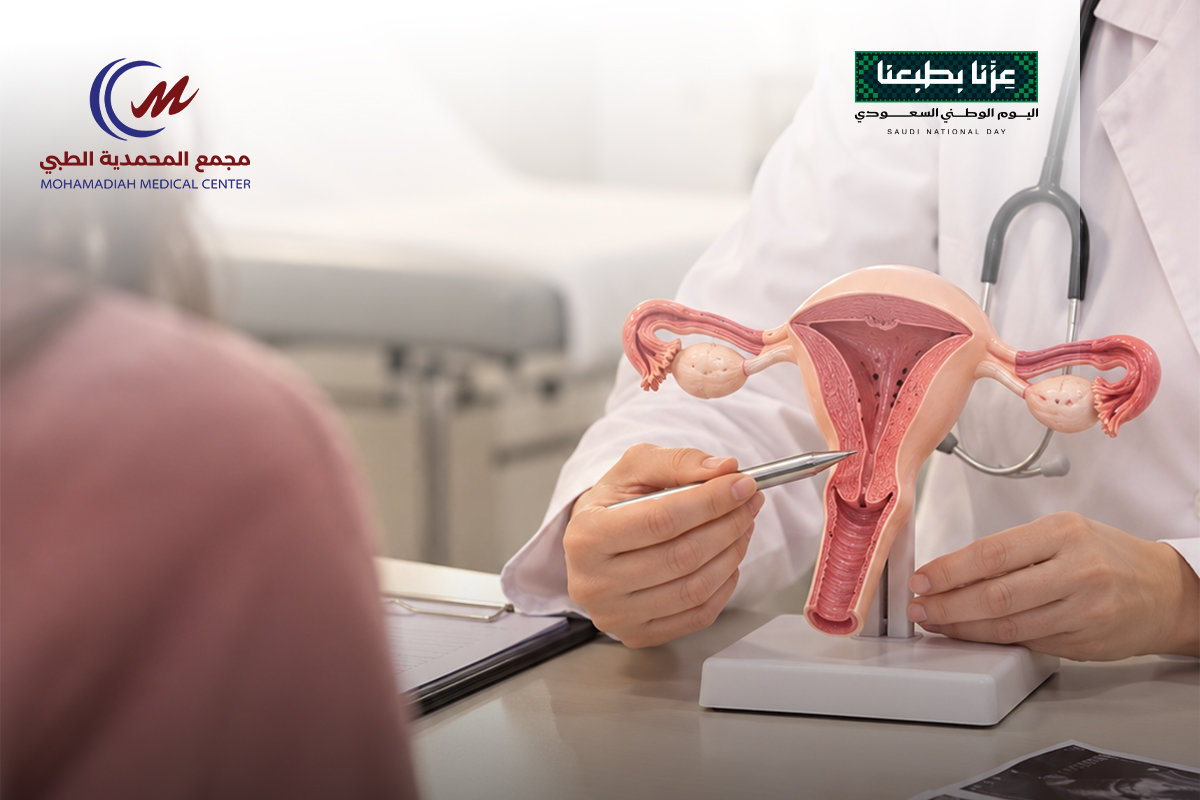
The cervix is the lower part of the uterus that connects the uterus to the vagina.
The cells of the cervix can undergo changes for different reasons. One of the most important factors associated with cervical cell changes is persistent infection with certain types of human papillomavirus (HPV).
Having abnormal cervical cell changes does not necessarily mean that you have cancer. However, these changes may require monitoring or further evaluation depending on their type and severity.
Why Is Early Cervical Cancer Detection Important?
Cervical cancer may not cause noticeable symptoms in its early stages. For this reason, regular screening can be important even when you do not have any symptoms.
Screening can help detect abnormal cervical cells early and may help prevent some abnormal changes from developing into cancer.
What Is a Pap Smear?
A Pap smear, also known as a Pap test, involves collecting a small sample of cells from the cervix to check for abnormal changes.
A Pap smear is not only used to detect cervical cancer. It can also identify abnormal cell changes that may require monitoring or further evaluation.
What Is the Link Between HPV and Cervical Cancer?
Human papillomavirus (HPV) is one of the main risk factors associated with cervical cancer.
There are many types of HPV, and some can cause changes in cervical cells. In most cases, the body clears the infection naturally. However, persistent infection with certain high-risk HPV types can lead to abnormal cervical cell changes over time.
For this reason, an HPV test may be used alongside a Pap smear or as part of cervical screening, depending on age and applicable medical guidelines.
What Are the Symptoms of Cervical Cancer?
Cervical cancer may not cause symptoms in its early stages. However, symptoms that should be medically evaluated may include:
- Unusual vaginal bleeding or bleeding after intercourse
- Changes in menstrual bleeding
- Bleeding after menopause
- Unusual vaginal discharge
- Pain during intercourse
- Pelvic pain
These symptoms do not necessarily mean that you have cervical cancer, but they should be evaluated to determine the underlying cause.
Do Abnormal Cell Changes Mean Cancer?
No.
Cervical cell changes can occur at different levels of severity. Some changes may return to normal on their own, while others may require monitoring or treatment to prevent them from developing further.
Management depends on the screening results, the type and severity of the cell changes, and other individual factors. Your doctor may recommend additional tests, such as colposcopy and a biopsy, when necessary.
Who Should Have Cervical Screening?
Cervical screening recommendations vary depending on age, medical history, the type of screening test used, and applicable medical guidelines.
It is important to discuss the appropriate screening schedule with your doctor, even if you do not have any symptoms.
Can Cervical Cancer Be Prevented?
The risk of cervical cancer can be reduced through several measures, including:
- Following recommended cervical screening schedules
- Getting the HPV vaccine according to age and individual medical recommendations
- Not ignoring unusual symptoms
- Following up on any abnormal screening results
Early detection and regular medical follow-up are important ways to identify abnormal cervical changes before they develop into more serious problems.