
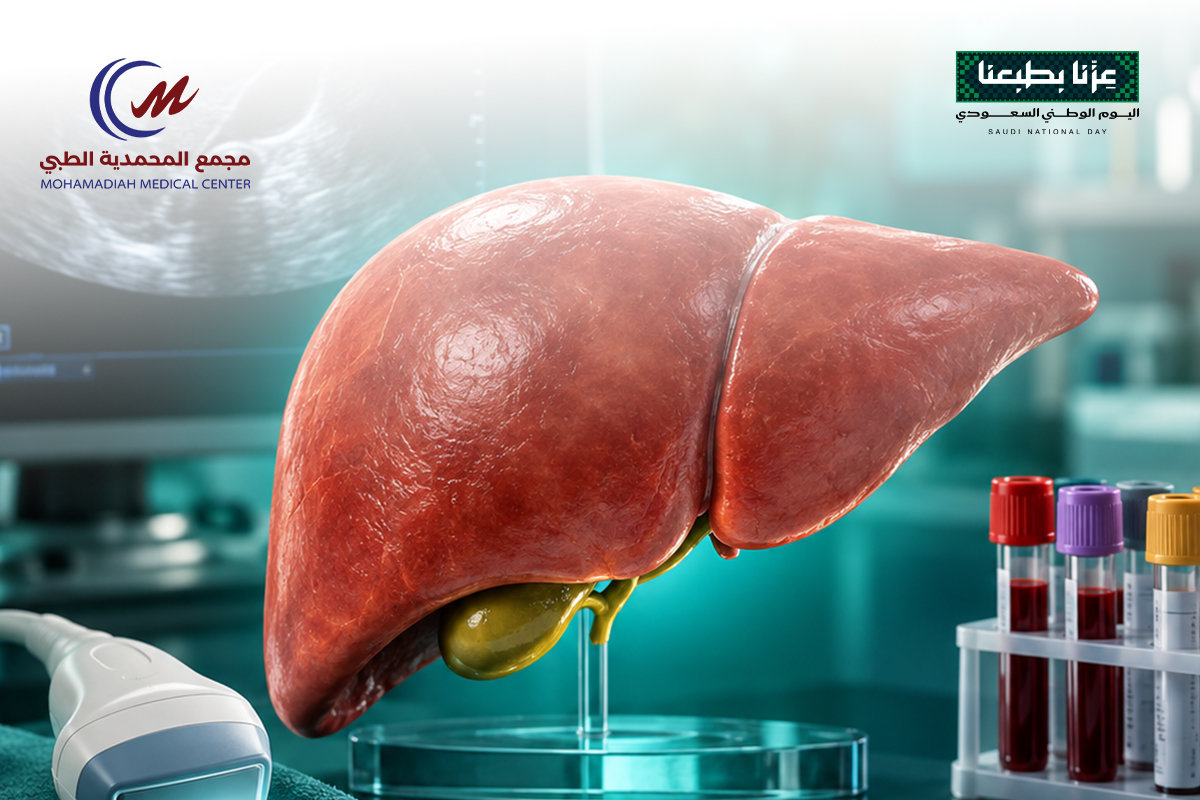
Roaccutane and Liver Health
Roaccutane and Liver Health: The Importance of Testing and Monitoring During Treatment
Roaccutane (Isotretinoin) is used to treat moderate to severe acne, especially when it does not respond adequately to other treatments. Despite its effectiveness, its use requires regular medical monitoring, including monitoring liver health and blood lipid levels.
Why Does Liver Monitoring Matter During Roaccutane Treatment?
Roaccutane is metabolized by the liver, and in some people, its use may lead to elevated liver enzymes or changes in blood lipid levels.
Using Roaccutane does not necessarily mean that liver problems will occur. However, the tests recommended by a healthcare professional can help monitor liver function and detect any changes that may require further evaluation or follow-up.
What Are Liver Function Tests?
Liver function tests are a group of blood tests that help evaluate markers related to liver health. They may include:
ALT
AST
ALP
Bilirubin
The healthcare professional may determine which tests are appropriate and when they should be performed based on the individual’s health condition, Roaccutane dosage, treatment duration, and previous test results.
What Is the Role of Liver and Abdominal Ultrasound?
Liver and abdominal ultrasound is a safe, non-invasive imaging test that helps visualize the liver and some abdominal organs. It may help detect certain structural changes that can be seen through imaging, such as fatty liver and some other conditions.
It is important to understand that ultrasound and liver function tests serve different purposes. Ultrasound helps evaluate the liver’s structure and appearance, while blood tests help assess markers related to liver function.
Does Everyone Taking Roaccutane Need Liver Testing?
The need for testing varies from person to person. The healthcare professional determines the appropriate tests based on the individual’s health condition, medical history, dosage, treatment duration, and previous test results.
Monitoring may be particularly important for people with a history of liver problems, abnormal blood lipid levels, or other health factors that may require additional follow-up.
When Should Testing Be Done?
A healthcare professional may recommend testing before starting treatment, during Roaccutane use, or at specific intervals throughout treatment, depending on the individual’s condition and risk factors.
Therefore, it is important to follow the monitoring plan recommended by the healthcare professional and not rely solely on the presence or absence of symptoms to assess liver health.