Ovarian Reserve Tests and Its Role in Fertility Assessment
Ovarian Reserve: What Is It and How Is It Evaluated?
Ovarian reserve is an important part of female fertility assessment. It provides an indication of the number of eggs remaining in the ovaries. Ovarian reserve naturally decreases with age, but the rate of decline varies from one woman to another.
Assessing ovarian reserve may be part of a fertility evaluation, especially when pregnancy has been delayed or when there are factors that may affect ovarian function.
What Is Ovarian Reserve?
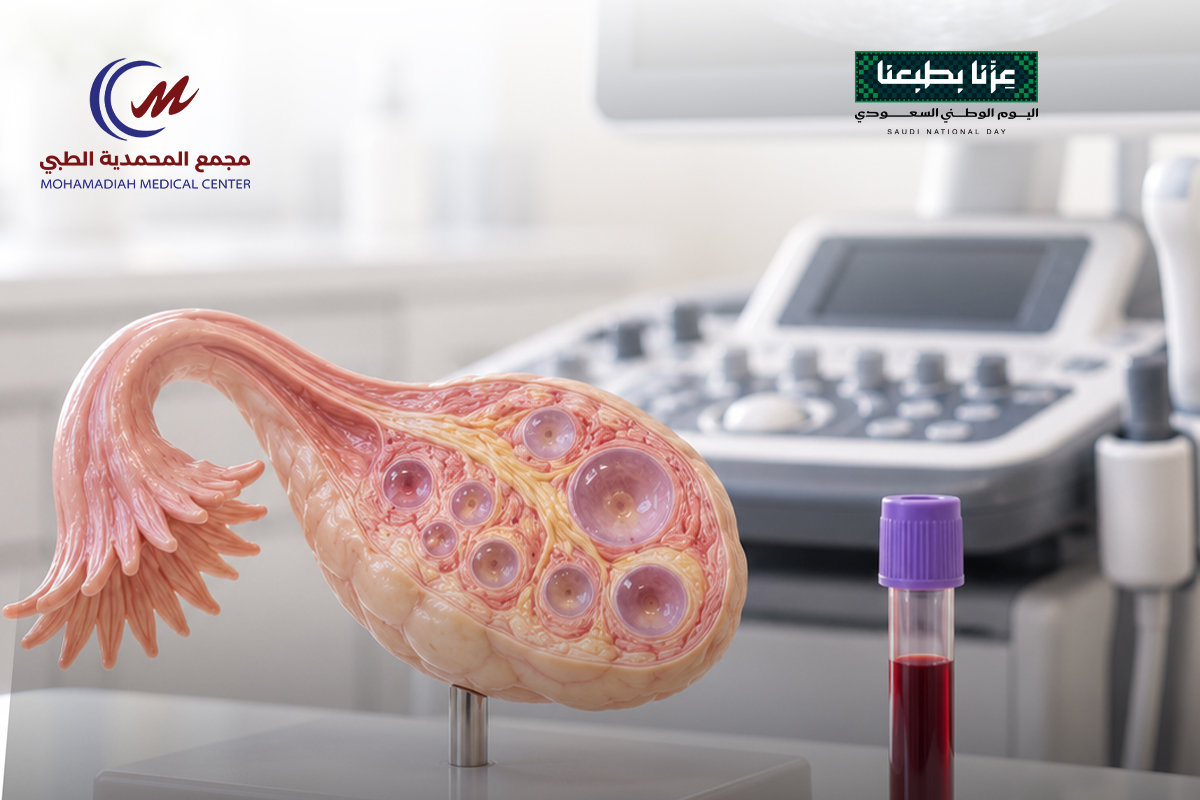
Ovarian reserve refers to the number of eggs remaining in the ovaries at a certain stage of a woman’s life.
A woman is born with a limited number of eggs, and this number gradually decreases over time. Ovarian reserve is mainly related to the quantity of eggs, while egg quality is also strongly affected by age.
When May Ovarian Reserve Testing Be Recommended?
A doctor may recommend ovarian reserve assessment in certain situations, such as:
- Delayed pregnancy
- Increasing age with a desire to become pregnant
- A family history of reduced ovarian reserve
- Certain medical conditions or previous procedures that may affect the ovaries
- Before some fertility treatments
- As part of an overall fertility assessment
Having an ovarian reserve test does not necessarily mean that there is a fertility problem.
How Is Ovarian Reserve Tested?
Several methods can be used to assess ovarian reserve. The appropriate tests depend on the individual situation.
AMH Test
The AMH test is one of the commonly used tests for assessing ovarian reserve.
AMH levels can be measured through a blood test, and the result can help the doctor estimate the ovarian reserve.
However, AMH alone cannot determine whether a woman can become pregnant, and it does not measure egg quality.
Transvaginal Ultrasound
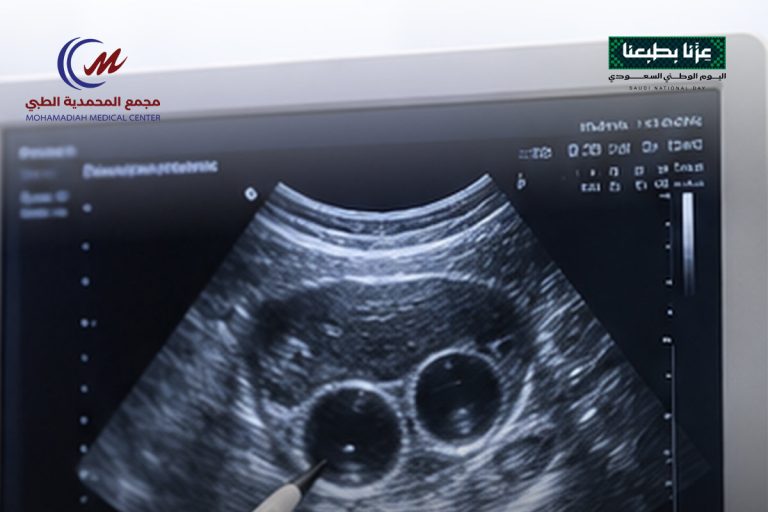
A transvaginal ultrasound can be used to count the small follicles in the ovaries. This is known as the Antral Follicle Count (AFC).
AFC can provide additional information about ovarian reserve when interpreted together with blood test results and other medical factors.
Does Low Ovarian Reserve Mean You Cannot Get Pregnant?
Not necessarily.
A low ovarian reserve does not mean that pregnancy is impossible. Likewise, a normal ovarian reserve does not guarantee that pregnancy will occur.
Fertility depends on several factors, including the woman’s age, egg quality, ovulation, the health of the uterus and fallopian tubes, as well as factors related to the male partner.
What Is the Relationship Between Age and Ovarian Reserve?
The number of eggs naturally decreases with age, and egg quality is also affected by aging.
For this reason, age is one of the most important factors considered when evaluating fertility, even when ovarian reserve test results appear reassuring.
Can Ovarian Reserve Be Increased?
There is currently no proven method that can restore the number of eggs or stop the natural decline in ovarian reserve.
However, maintaining a healthy lifestyle, avoiding smoking, and taking care of overall health can support reproductive health.
Is the AMH Test Enough to Assess Fertility?
No. AMH should not be used alone to determine fertility or the likelihood of pregnancy.
The result is interpreted alongside the woman’s age, medical history, menstrual cycle, ultrasound findings, and other tests when needed to provide a more complete fertility assessment.