Menstrual Irregularities and PCOS Causes, Symptoms and Diagnosis
Menstrual Irregularities and PCOS: How to Know the Cause and When to Get Checked
A regular menstrual cycle is an important part of women’s health. Changes in the timing, duration, or amount of menstrual bleeding may sometimes indicate an underlying health issue, especially when these changes are persistent or accompanied by other symptoms.
Polycystic Ovary Syndrome (PCOS) is one possible cause of menstrual irregularities, but it is not the only one. Irregular periods can also be related to pregnancy, significant changes in weight, stress, certain contraceptives, thyroid disorders, hormonal changes, or other medical conditions.
For this reason, irregular periods should not automatically be considered a sign of PCOS. A medical evaluation can help identify the actual cause.
What Are Menstrual Irregularities?
Menstrual irregularities can occur in different ways. You may notice that your periods become less predictable, come earlier or later than usual, last longer or shorter than usual, or involve heavier or lighter bleeding.
Every woman can have a slightly different menstrual pattern. However, a persistent change from your usual cycle may require medical evaluation.
Keeping track of your menstrual dates, bleeding duration, and any symptoms you experience can also help your doctor understand your cycle pattern and decide whether further tests are needed.
What Causes Irregular Periods?
Irregular periods can have several possible causes, including:
- Pregnancy
- Stress and emotional pressure
- Significant weight gain or weight loss
- Excessive physical activity
- Some hormonal contraceptives
- Thyroid disorders
- Hormonal changes
- Polycystic Ovary Syndrome (PCOS)
- Certain health conditions or changes that occur during different stages of life
Because there are many possible causes, it is important to identify the reason behind persistent menstrual changes rather than assuming the cause.
What Is Polycystic Ovary Syndrome (PCOS)?
Polycystic Ovary Syndrome, commonly known as PCOS, is a common hormonal condition that can affect ovulation and the menstrual cycle.
Some women with PCOS may also experience symptoms such as increased hair growth, acne, or weight-related changes. However, symptoms can vary from one woman to another, and not everyone will experience the same symptoms.
It is also important to know that having ovaries with a polycystic appearance on an ultrasound does not, by itself, confirm PCOS. Diagnosis requires a comprehensive medical assessment.
What Are the Symptoms of PCOS?
Women with PCOS may experience some of the following symptoms:
- Irregular or infrequent periods
- Missed periods
- Difficulty becoming pregnant due to irregular ovulation
- Increased facial or body hair growth
- Acne
- Weight gain or difficulty managing weight in some cases
Having one of these symptoms does not necessarily mean that you have PCOS. A doctor will consider your symptoms, medical history, and appropriate tests before making a diagnosis.
How Is PCOS Diagnosed?
There is no single test that can diagnose PCOS in every case.
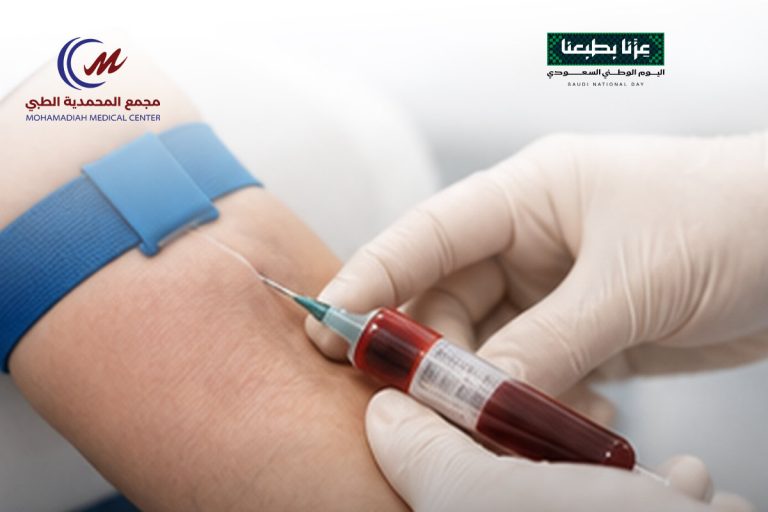
The evaluation usually begins with discussing your menstrual cycle, symptoms, and medical history. Depending on your situation, your doctor may recommend blood tests and an ultrasound examination.
An ultrasound may help assess the ovaries and uterus, while blood tests can help evaluate certain hormone levels and rule out other conditions that may cause similar symptoms.
The appropriate tests depend on your age, symptoms, medical history, and overall health.
What Is the Role of Ultrasound in PCOS Evaluation?
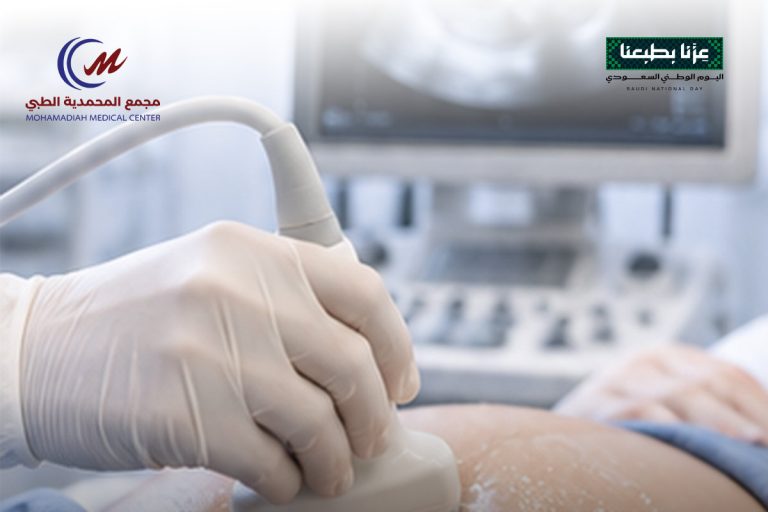
Ultrasound uses sound waves to produce images of the uterus and ovaries.
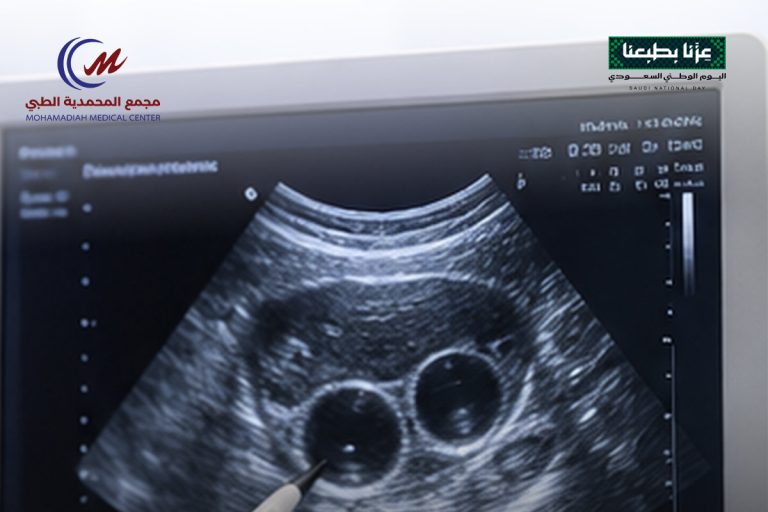
It can help doctors assess the appearance and size of the ovaries, the number of follicles, and other findings that may be relevant to your symptoms. It can also help evaluate the uterus and identify other possible causes of menstrual problems.
However, ultrasound alone cannot confirm PCOS. It is considered as part of the overall medical assessment.
When Should You See a Doctor?
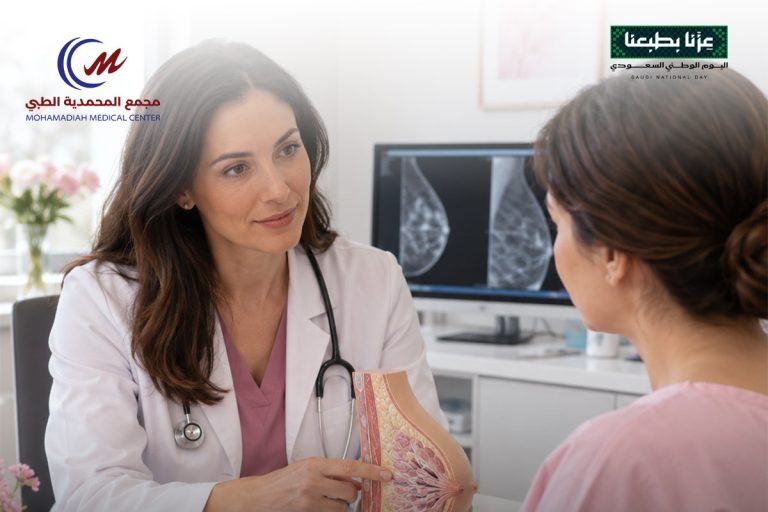
You should consider consulting a gynecologist if your periods become persistently irregular or if you notice a significant change from your usual menstrual pattern.
Medical evaluation may also be recommended if irregular periods are accompanied by symptoms such as increased hair growth, noticeable weight changes, acne, or difficulty becoming pregnant.
You should also seek medical advice if you experience unusually heavy bleeding, severe or worsening pelvic pain, or repeated missed periods.
Do Irregular Periods Always Mean PCOS?
No.
Irregular periods can have many different causes, and PCOS is only one possible explanation.
That is why self-diagnosis is not recommended. If your menstrual cycle has changed or you are experiencing other related symptoms, a gynecologist can evaluate your condition and recommend the appropriate tests.