
Breast Health Symptoms, Tests and Screening
Breast Health Check: When Do You Need an Examination or Ultrasound?
Breast health is an important part of women’s overall health. Any new change in the appearance, size, texture, or nipple of the breast deserves attention, especially if the change persists or is different from what is normal for you.
Some breast changes can be normal or related to hormonal changes, while others may require medical evaluation. A breast health check can help identify the possible cause of symptoms and determine whether further tests are needed.
Why Is a Breast Health Check Important?
A clinical breast examination can help evaluate symptoms or changes you may notice in your breast, such as a lump, pain, changes in the skin, or nipple changes.
During the examination, the doctor may ask about your symptoms and medical history and examine the breasts and the surrounding areas, including the armpits. Based on the findings, additional tests may be recommended.
Having a breast examination does not necessarily mean that there is a serious problem. It is simply an important step in understanding the cause of any unusual changes.
What Breast Symptoms Should Be Checked?
You should consult a doctor if you notice a new or persistent change in your breast. These changes may include:
- A new lump or thickened area in the breast or armpit.
- A change in the size or shape of the breast.
- Persistent or unusual breast pain.
- Changes in the skin of the breast, such as dimpling or an unusual texture.
- Changes in the appearance or direction of the nipple.
- Unusual nipple discharge, especially bloody discharge.
- New swelling or a change that does not go away.
These symptoms do not necessarily mean breast cancer. Many breast changes have benign causes, but it is important to have any new or persistent changes medically evaluated.
What Is a Breast Ultrasound?
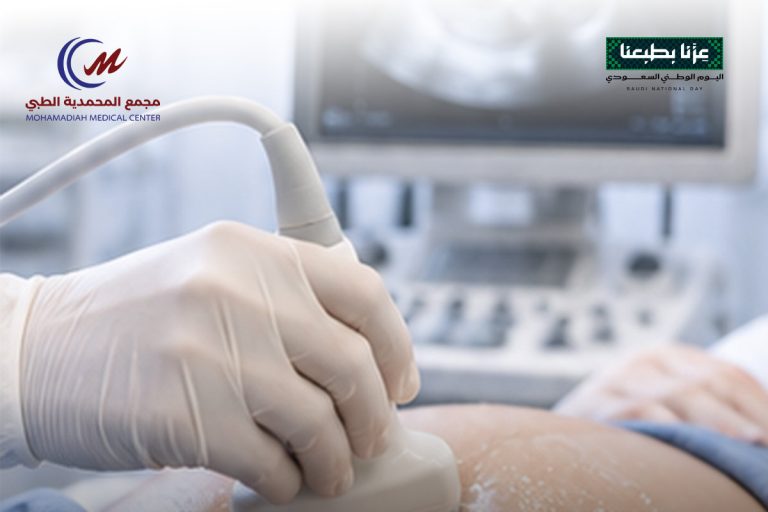
A breast ultrasound is an imaging test that uses sound waves to create images of the breast tissue.
It can help doctors evaluate certain breast changes found during a clinical examination and can help distinguish between some types of breast lumps, such as fluid-filled cysts and solid masses.
Depending on your age, symptoms, and clinical findings, your doctor may recommend an ultrasound alone or alongside other breast imaging tests.
Can a Breast Ultrasound Detect All Breast Problems?
Breast ultrasound is an important diagnostic tool, but it is not the right test for every breast concern.
The choice of imaging depends on several factors, including your age, symptoms, clinical examination, and personal and family medical history.
In some situations, a mammogram or other imaging tests may also be recommended. Your doctor can determine which examination is most appropriate for your situation.
What Is the Connection Between Prolactin and Breast Health?
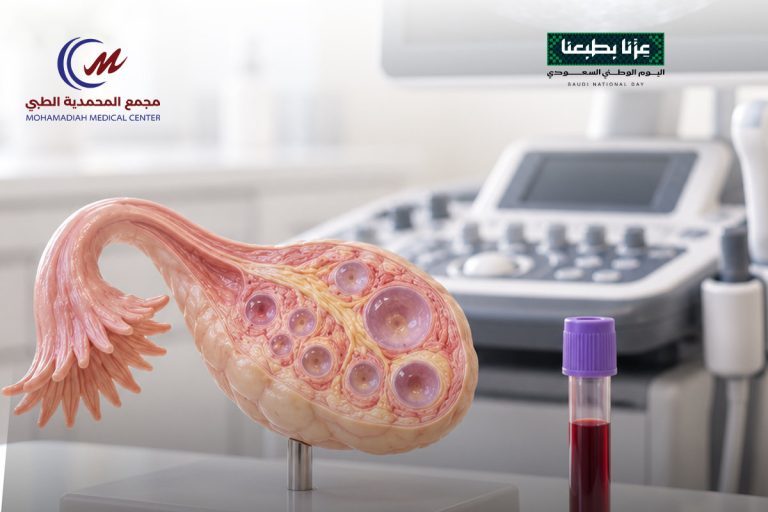
Prolactin is a hormone produced by the pituitary gland and plays an important role in breast milk production.
High prolactin levels may be associated with certain symptoms, such as milk-like nipple discharge when you are not pregnant or breastfeeding. It may also be associated with irregular menstrual periods or ovulation problems.
However, high prolactin levels can have several possible causes. The result of a prolactin test should therefore be interpreted by a doctor in combination with your symptoms, medical history, and medications.
When Might You Need a Prolactin Test?
Your doctor may recommend a prolactin test if you experience symptoms such as:
- Milk-like discharge from the breast when you are not pregnant or breastfeeding.
- Irregular or missed periods.
- Certain ovulation problems or difficulty becoming pregnant.
- Other symptoms that may suggest a hormonal imbalance.
Because prolactin levels can be affected by different factors, it is important to follow your doctor’s instructions before having the test.
Does Breast Pain Mean Something Serious?
Breast pain is common and can be related to hormonal changes during the menstrual cycle, pregnancy, certain medications, or other causes.
In many cases, breast pain alone is not a sign of a serious condition.
However, if the pain is persistent, severe, or accompanied by a lump, skin or nipple changes, or unusual discharge, it is best to consult a doctor for proper evaluation.
How Is Breast Health Evaluated?
Evaluation usually begins with a clinical examination and a discussion of your symptoms and medical history.
Depending on the findings, your doctor may recommend a breast ultrasound, mammogram, prolactin test, or other investigations when appropriate.
Not every woman needs all of these tests. The recommended tests depend on factors such as age, symptoms, clinical findings, and individual risk factors.
Is Regular Breast Screening Important?
Paying attention to your breast health and being aware of any new changes can help you seek medical advice when needed.
It is useful to know how your breasts normally look and feel so you can recognize any new or unusual changes and discuss them with your doctor.
Recommendations for breast cancer screening, including mammography, vary depending on age, risk factors, and medical guidelines. Your doctor can advise you on the screening schedule that is appropriate for you.
When Should You See a Doctor?
You should consult a doctor if you notice any new or persistent breast change, especially if you have:
A new lump in the breast or armpit.
Unusual nipple discharge.
Changes in the breast or nipple skin.
A noticeable change in breast size or shape.
Persistent or unusual breast pain.
Do not ignore a new change or wait too long for it to disappear, especially if it is getting worse or continues over time.