Breast, Uterus & Ovaries Ultrasound
Breast, Uterus and Ovaries Ultrasound: When Do You Need It?
Taking care of women’s health is not only about having noticeable symptoms. Some changes may not cause clear symptoms at first, which is why doctors may recommend appropriate examinations based on age, medical history, and symptoms.
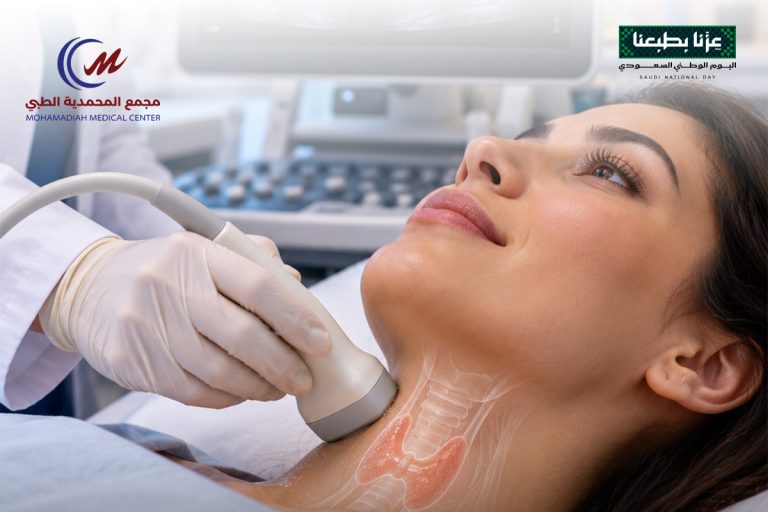
Ultrasound is one of the imaging tests that can help doctors evaluate certain changes in the breasts, uterus, and ovaries using sound waves.
The examination may include more than one area depending on the patient’s condition and the doctor’s assessment.
What Is Breast, Uterus and Ovaries Ultrasound?
It is an imaging examination that uses ultrasound waves to create images of the tissues being examined.
Breast ultrasound can help evaluate certain lumps and changes in breast tissue, while uterine and ovarian ultrasound can help assess the uterus, uterine lining, and ovaries and detect certain changes such as cysts, fibroids, and other abnormalities.
One of the main advantages of ultrasound is that it does not use radiation and is generally safe and painless.
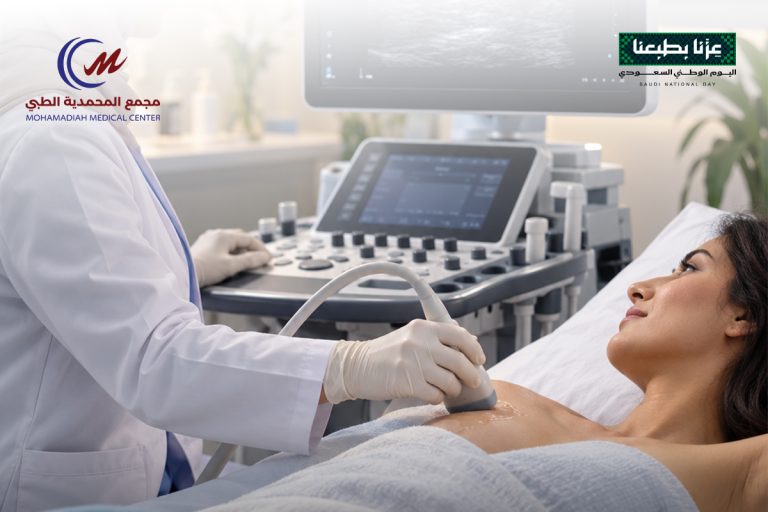
What Can Breast Ultrasound Detect?
Breast ultrasound can help doctors evaluate certain changes in the breast, including:
- Lumps or abnormal areas
- Fluid-filled cysts
- Certain solid masses
- Changes that may require further evaluation
- The location and size of certain abnormalities
In some cases, ultrasound may be used alongside mammography to provide a more comprehensive assessment depending on the patient’s age, symptoms, and previous examination results.
It is important to know that having a breast lump does not necessarily mean cancer, as many breast lumps and changes have benign causes.
What Can Uterus Ultrasound Detect?
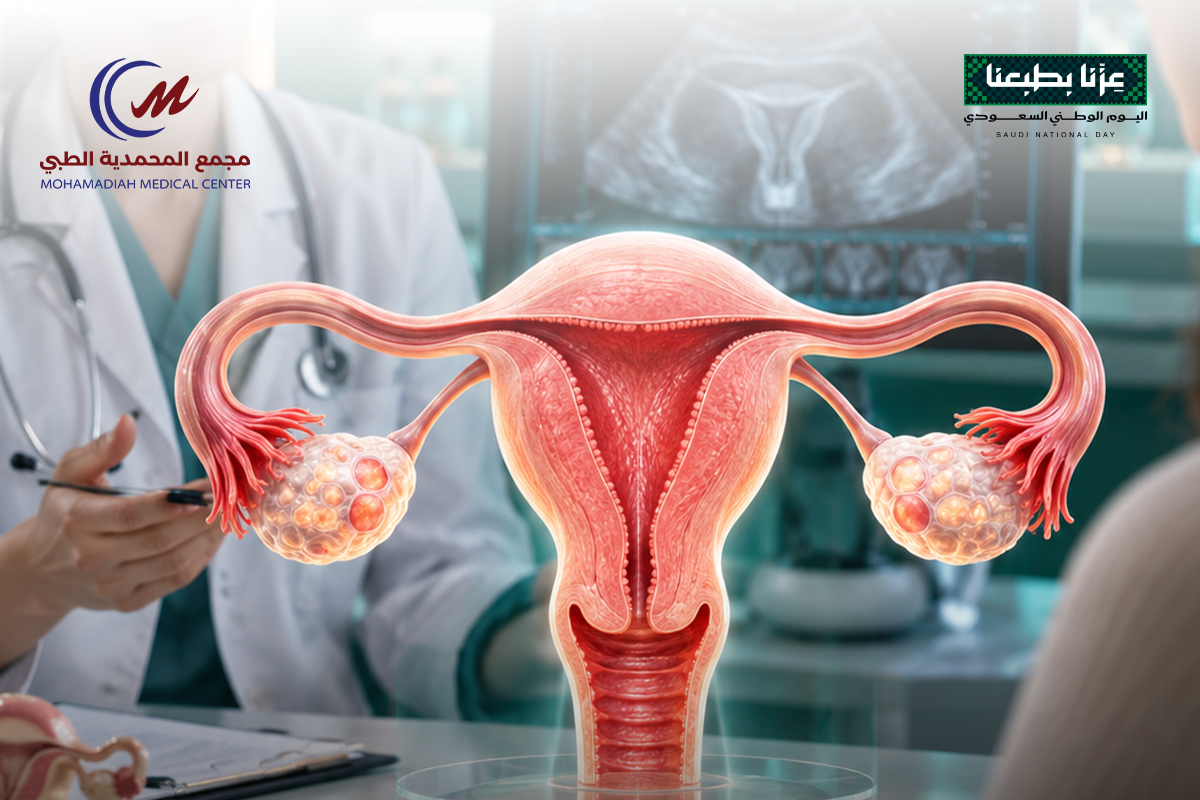
Uterine ultrasound helps evaluate the size and shape of the uterus and the uterine lining. It can help detect certain changes such as:
- Uterine fibroids
- Certain changes in the uterine lining
- Some possible causes of abnormal bleeding
- Certain masses or abnormalities in the pelvic area
A doctor may recommend a uterine ultrasound if you experience symptoms such as unusual bleeding, pelvic pain, or changes in your menstrual cycle, depending on your condition.
What Can Ovaries Ultrasound Detect?
Ovarian ultrasound helps evaluate the size and shape of the ovaries and identify certain changes.
It may detect:
- Ovarian cysts
- Certain masses or abnormalities in the ovaries
- Changes in the size or appearance of the ovaries
- Certain findings associated with ovarian conditions
Doctors may use ultrasound when evaluating symptoms such as pelvic pain, menstrual irregularities, or certain fertility-related concerns.
When Do You Need Breast, Uterus and Ovaries Ultrasound?
A doctor may recommend the examination if you have symptoms or changes that require evaluation, such as:
- A new breast lump or breast change
- Persistent or unusual breast pain
- Abnormal bleeding
- Significant changes in your menstrual cycle
- Pelvic pain
- Symptoms related to the uterus or ovaries
- A need to monitor a previously identified condition or abnormality
The doctor determines the appropriate type of ultrasound and examination method based on your symptoms and medical condition.
Can Ultrasound Replace Other Examinations?
Not always.
Ultrasound plays an important role in evaluating the breasts, uterus, and ovaries, but it is not a substitute for all other medical examinations.
Some women may need a mammogram, blood tests, or other imaging examinations depending on their age, symptoms, and examination results.
If you notice a new or persistent change, it is important to have it medically evaluated rather than relying on ultrasound alone.
Is the Examination Painful?
External ultrasound is generally a simple and painless examination.
A gel is applied to the area being examined, and the ultrasound probe is moved over the skin to obtain clear images.
Pelvic ultrasound may be performed using different techniques depending on the patient’s condition and the type of examination required. The doctor will determine the most appropriate method to obtain clear images of the uterus and ovaries.
Do You Need to Prepare Before the Examination?
Preparation depends on the type of ultrasound being performed.
You may be asked to drink water before certain types of pelvic ultrasound to help obtain clearer images of the uterus and ovaries, while breast ultrasound generally does not require any special preparation.
It is best to check the medical center’s instructions before your examination.