Childhood Obesity and Underweight
Childhood Obesity and Underweight | How to Monitor Your Child’s Weight and Growth
A child’s weight and height naturally change from one stage of development to another, so a child’s health cannot be assessed based on weight alone
Whether a child is overweight or underweight, regular monitoring can help assess growth more accurately and identify factors that may affect their health and nutrition
When Does a Child’s Weight Need Monitoring?
A child may need evaluation if you notice a significant increase or decrease in weight or a rapid change in weight over a short period
A child’s weight is assessed based on age, sex, height and growth patterns rather than by comparing their weight with other children
What Is BMI in Children?
Body Mass Index or BMI is a value calculated using a child’s weight and height
However, BMI is not interpreted in children in the same way as in adults. Instead, it is compared with age- and sex-specific growth charts to determine how the child’s BMI compares with other children of the same age and sex
This is why BMI should always be evaluated as part of the child’s overall growth pattern
What Causes Childhood Obesity?
Weight gain in children can result from several factors, including:
- Eating large amounts of high-calorie foods
- Frequent consumption of sugary drinks and fast food
- Low levels of physical activity
- Spending long periods of time in front of screens
- Genetic factors
- Certain medical conditions or medications in some cases
Weight gain is not always caused by diet alone, so medical evaluation may be recommended when significant or persistent weight gain occurs
What Causes Underweight in Children?
Being underweight can be normal for some children, especially when they continue to grow and develop normally
In some cases, being underweight may be related to factors such as:
- Not getting enough nutrients from food
- Poor appetite
- Certain digestive problems that affect nutrient absorption
- Certain medical conditions
- Increased nutritional needs during periods of growth
Evaluating the child can help determine whether being underweight is part of their normal growth pattern or requires further monitoring
What Tests May a Child Need?
A doctor may recommend certain tests depending on the child’s condition and symptoms, including:
TSH Thyroid Function Test
A TSH test helps evaluate thyroid function, especially when there are symptoms or signs that may indicate a thyroid disorder
Additional tests may be recommended depending on the test result
Cholesterol and Triglyceride Tests
These tests help evaluate blood lipid levels and may be considered for some children who are overweight or have certain risk factors
Complete Blood Count CBC
A CBC test helps evaluate different types of blood cells and may provide useful information about the child’s overall health
The Importance of Nutrition in Child Growth
Balanced nutrition is one of the most important factors supporting healthy growth and development
Children need a diet that meets their age-specific nutritional needs and provides a variety of essential nutrients
For children who are overweight, the goal is not usually to follow a strict diet, but rather to improve eating habits and encourage physical activity appropriate for their age and health condition
For children who are underweight, the focus is on meeting their nutritional needs and identifying the underlying cause if their weight is not appropriate for their growth pattern
When Should You Consult a Doctor?
It is recommended to seek medical evaluation if your child has:
- Significant or rapid changes in weight
- Persistent weight gain or weight loss
- Poor appetite for an extended period
- Frequent fatigue or low energy
- Concerns about height or growth
- Other symptoms associated with changes in weight
Regular Monitoring Makes a Difference
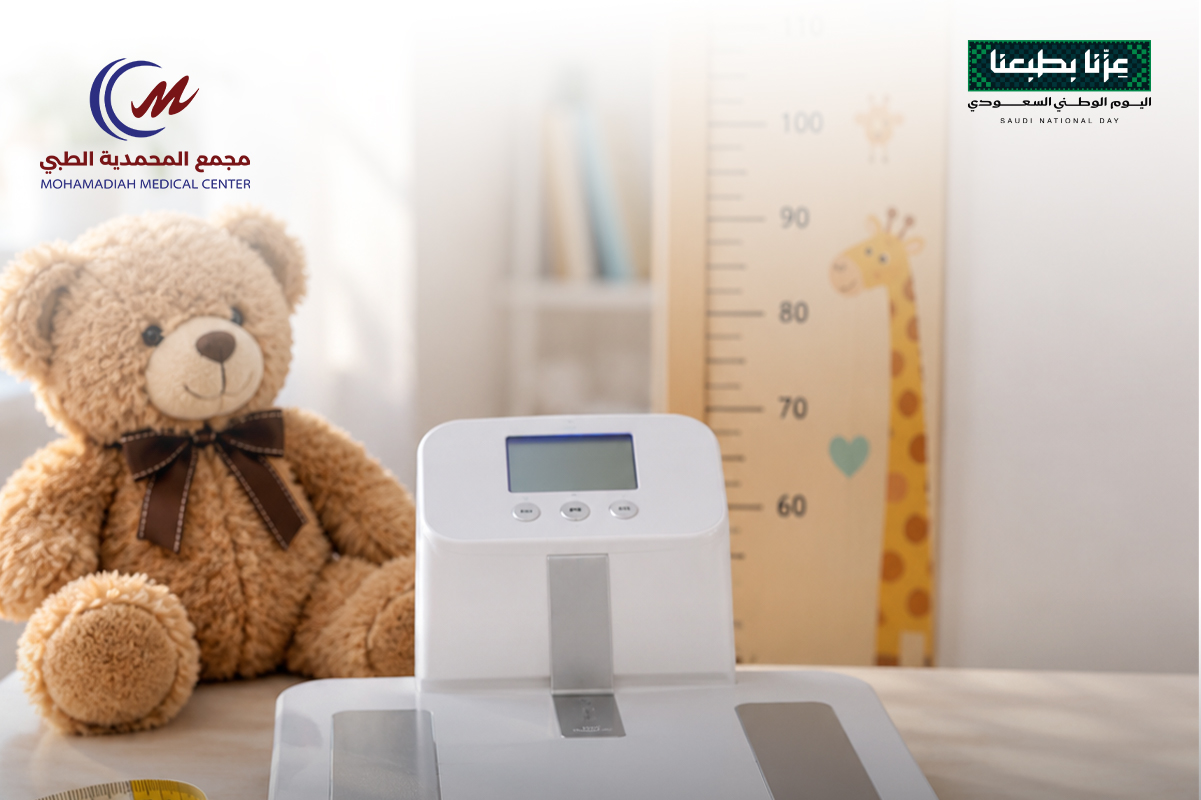
Regularly monitoring a child’s weight, height and growth can help identify changes early and provide a better understanding of their needs
The goal of monitoring childhood obesity or underweight is not simply to focus on the number on the scale, but to make sure the child is growing and developing in a healthy and balanced way