Breast Ultrasound and When Do You Need It?
.
Breast Ultrasound: When Do You Need It and What Can It Detect?
Breast ultrasound is an important imaging test that helps evaluate breast tissue and detect certain changes, such as lumps, cysts, or other abnormalities that may require monitoring or further evaluation.
Breast ultrasound uses sound waves to create clear images of breast tissue. It does not use X-rays or radiation, making it a useful examination in many situations depending on the doctor’s assessment.
What Is a Breast Ultrasound?
Breast ultrasound is an imaging test that uses sound waves to create images of the breast tissue.
It helps doctors evaluate areas that appear abnormal during a physical examination or on another imaging test. It can also help determine the nature of certain lumps and whether they contain fluid or are primarily made up of solid tissue.
When Do You Need a Breast Ultrasound?
A doctor may recommend a breast ultrasound in several situations, including:
- A lump or thickening in the breast
- Persistent breast pain or an unusual change in the breast
- A change in the shape or size of the breast
- Unusual nipple discharge
- Changes in the skin or nipple
- Further evaluation of an area that is unclear on a mammogram
- Monitoring a known lump or breast abnormality
A breast ultrasound may also be used alongside mammography, depending on your age, symptoms, and previous imaging results
What Can a Breast Ultrasound Detect?
Breast ultrasound can help evaluate several types of changes, including:
Lumps and Masses
Ultrasound can detect breast lumps, determine their location and size, and help evaluate their characteristics.
Cysts
Ultrasound can help identify fluid-filled cysts and distinguish them from solid masses.
Breast Tissue
The examination provides clearer images of areas of breast tissue that require further evaluation.
Guiding Certain Medical Procedures
In some cases, ultrasound can be used to guide a needle during a biopsy if the doctor determines that a tissue sample is needed.
Does Every Breast Lump Mean Cancer?
No. Having a breast lump does not necessarily mean that you have breast cancer.
There are many benign conditions that can cause breast lumps or changes, including cysts, fibrocystic changes, and other non-cancerous conditions.
However, any new lump or unusual change in the breast should be medically evaluated to determine its cause and whether monitoring or additional tests are needed.
What Is the Difference Between Breast Ultrasound and Mammography?
Breast ultrasound and mammography are different imaging tests, and each has its own uses.
Mammography uses low-dose X-rays to create images of the breast and is one of the most important screening tests for the early detection of breast cancer.
Ultrasound uses sound waves and can be particularly useful for evaluating lumps and breast changes detected during a physical examination or on a mammogram.
In some cases, a doctor may recommend both tests to obtain a more complete evaluation.
Is Breast Ultrasound Suitable for Younger Women?
Breast ultrasound can be used in women of different ages when medically indicated.
It can be particularly useful for evaluating dense breast tissue, which may make some abnormalities more difficult to assess on a mammogram.
However, whether ultrasound, mammography, or both are needed depends on factors such as age, symptoms, breast density, and the doctor’s assessment.
Is Breast Ultrasound Painful?
Breast ultrasound is generally a simple and painless examination.
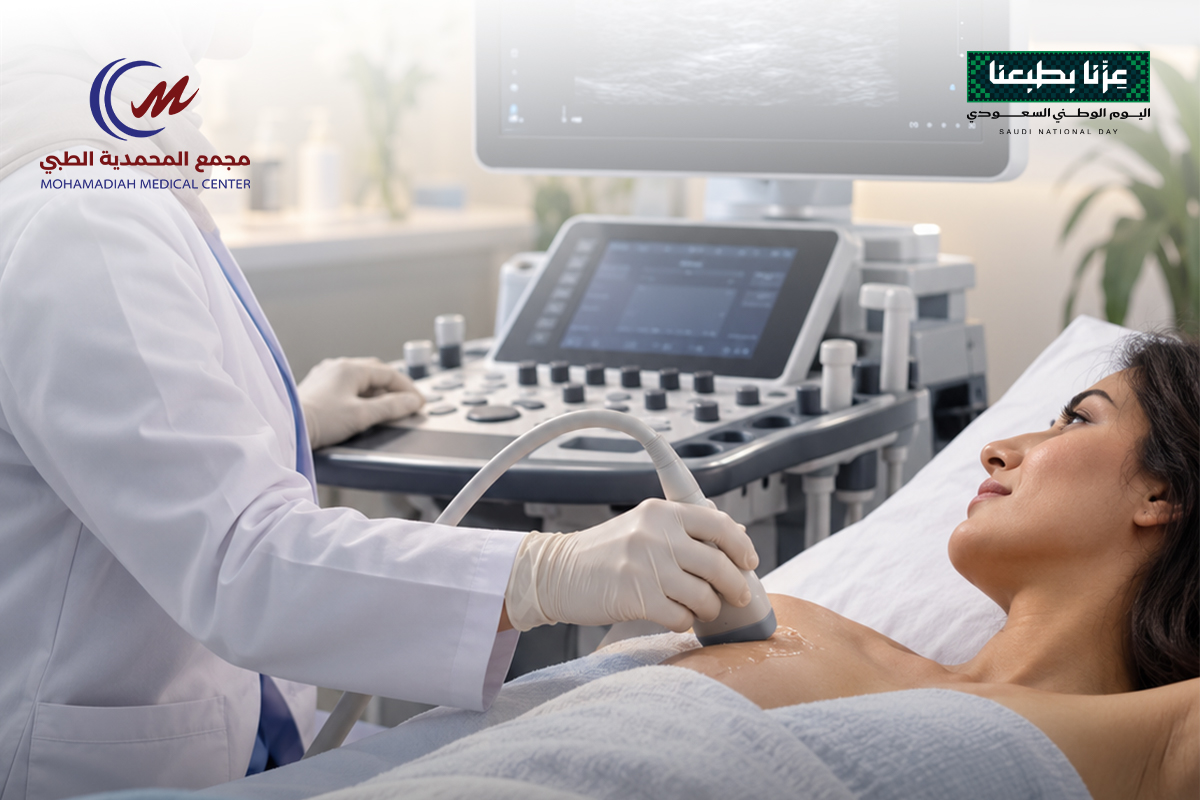
A gel is applied to the breast area, and the ultrasound probe is moved over the skin to obtain clear images of the breast tissue. There is usually no recovery period after the examination.
Does Breast Ultrasound Require Preparation?
Breast ultrasound usually does not require any special preparation.
It is recommended to wear comfortable clothing that can be easily removed from the upper body during the examination. You may also be asked to remove any creams or other products from the breast area before the scan.
Can Breast Ultrasound Detect Breast Cancer?
Breast ultrasound can help detect and evaluate certain breast changes that may require further investigation, but it cannot confirm or rule out breast cancer on its own.
If an area requires further evaluation, the doctor may recommend additional tests such as mammography or a biopsy, depending on the findings.
When Should You Have a Breast Change Evaluated?
It is important not to ignore any new or unusual change in the breast, especially if you notice a new lump, a change in breast shape, changes in the skin or nipple, or unusual nipple discharge.
Evaluating these changes early can help determine their cause and identify the most appropriate tests based on your condition