Regular Dental Checkup
Regular Dental Checkups: Why They Matter and When to Visit the Dentist
Taking care of your teeth is not limited to daily brushing and flossing. Regular dental checkups help monitor your oral health and detect problems affecting the teeth or gums at an early stage.
Some dental problems may begin without pain or noticeable symptoms, which is why regular visits to the dentist can help identify early changes and address them before they become more serious.
Why Are Regular Dental Checkups Important?
A routine dental examination allows the dentist to assess the health of your teeth and gums and determine whether any problems require treatment or follow-up.
Some of the main benefits of regular dental checkups include:
- Detecting tooth decay at an early stage
- Monitoring gum health and the tissues surrounding the teeth
- Identifying early signs of dental and gum problems
- Checking existing fillings and dental restorations
- Receiving personalized advice on daily oral care
- Helping prevent dental problems that may affect your oral health
Regular Checkups Help Detect Tooth Decay Early
Tooth decay does not always cause pain in its early stages. It may begin gradually before any noticeable symptoms appear.
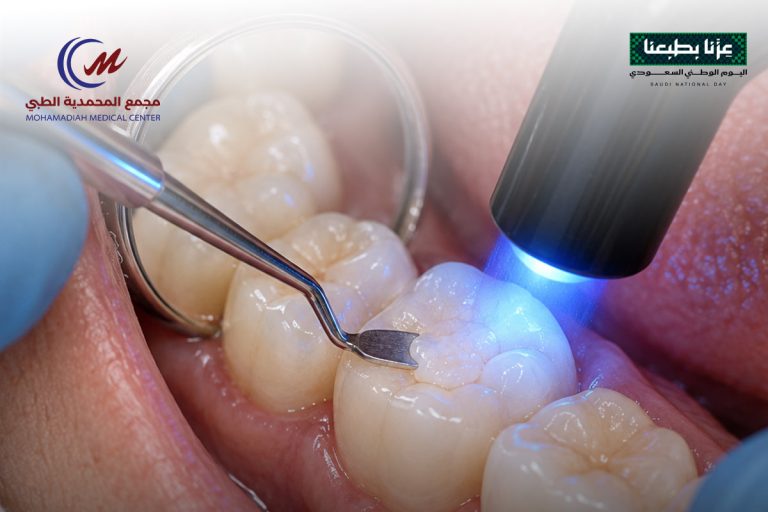
Regular dental checkups allow the dentist to examine your teeth and identify early signs of decay, making it possible to address the problem at the right time and reduce the risk of it developing into a more complicated condition.
Regular Dental Checkups for Healthy Gums
Healthy gums are an essential part of good oral health. Some gum problems may begin with mild signs such as redness, swelling, or bleeding while brushing.
During a regular dental examination, the dentist can assess your gum health and identify any signs of problems that may require treatment or follow-up.
Do You Need a Dental Checkup If You Have No Pain?
Yes. The absence of pain does not necessarily mean that your teeth and gums are completely healthy.
Some oral health problems can develop without noticeable symptoms. Regular dental visits can therefore help monitor your oral health and detect changes at an early stage.
What Happens During a Regular Dental Checkup?
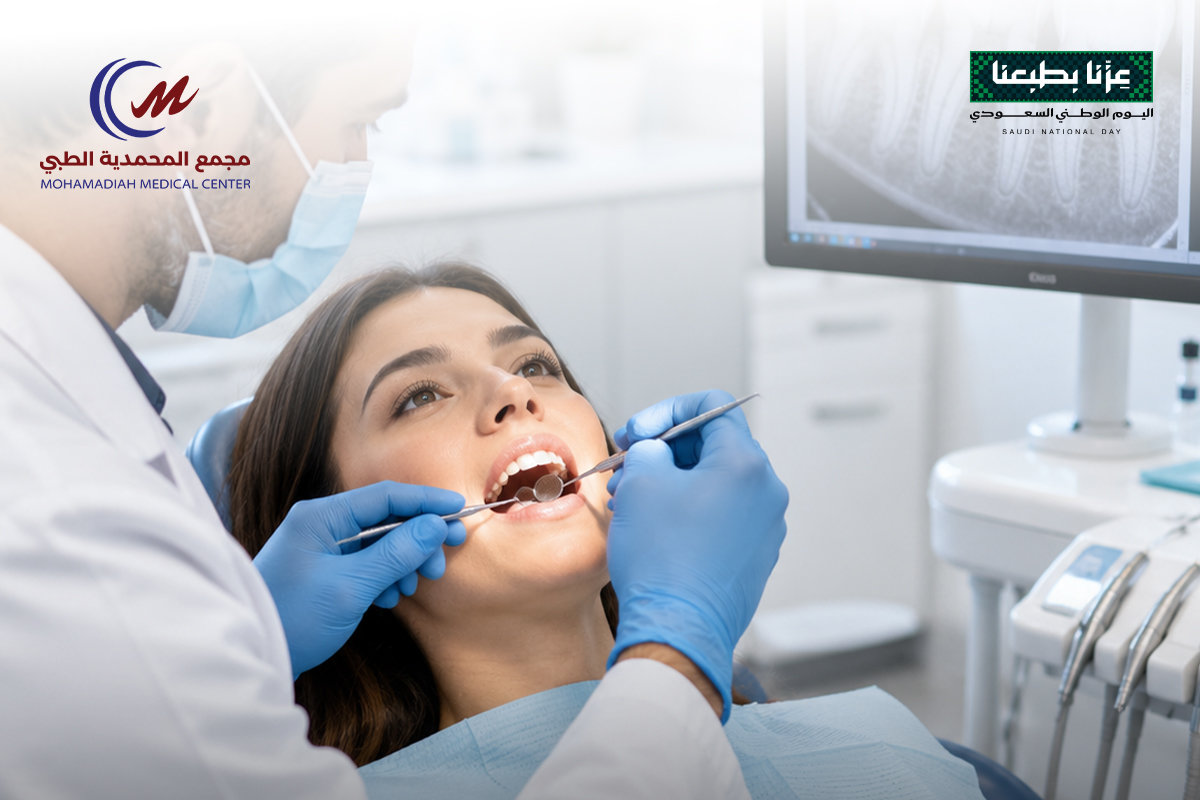
A dental checkup begins with an assessment of the condition of your teeth, gums, and overall oral health.
The examination may include:
- Checking the teeth for signs of tooth decay
- Assessing gum health
- Checking existing fillings and dental restorations
- Monitoring any changes in the teeth or gums
- Providing guidance on daily oral care
- Determining whether professional teeth cleaning or any dental treatment is needed
The appropriate procedures depend on each person’s oral health and individual needs.
How Often Should You Visit the Dentist?
The appropriate frequency of regular dental checkups varies from person to person. There is no single schedule that is suitable for everyone.
The timing of your next dental visit depends on your oral health, previous dental problems, risk factors, and individual follow-up needs.
Your dentist can recommend an appropriate checkup schedule based on your specific condition.
Can Regular Dental Checkups Help Prevent Dental Problems?
Yes. Regular dental checkups are not only about detecting existing problems. They also help maintain healthy teeth and gums and prevent certain dental issues through regular monitoring and better oral care habits.
Your dentist can also provide personalized advice on brushing techniques, flossing, and daily habits that support good oral health.
Regular Dental Checkups for Children
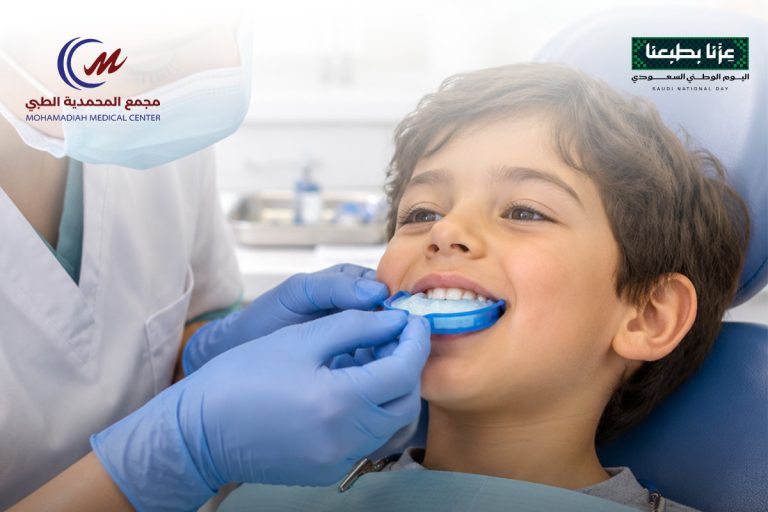
Children also need regular dental visits because both primary and permanent teeth require proper care and monitoring throughout different stages of growth.
Regular dental checkups for children can help monitor tooth development, detect tooth decay or gum problems early, and help children develop healthy oral hygiene habits and become comfortable with visiting the dentist regularly.
When Should You Visit a Dentist?
In addition to regular checkups, you should not delay visiting the dentist if you notice any symptoms or changes, such as:
- Tooth pain
- Persistent tooth sensitivity
- Frequent gum bleeding
- Swollen or red gums
- Problems with a filling or dental restoration
- Noticeable changes in the teeth or gums
Early evaluation can help identify the cause of the problem and determine the appropriate treatment based on your condition.