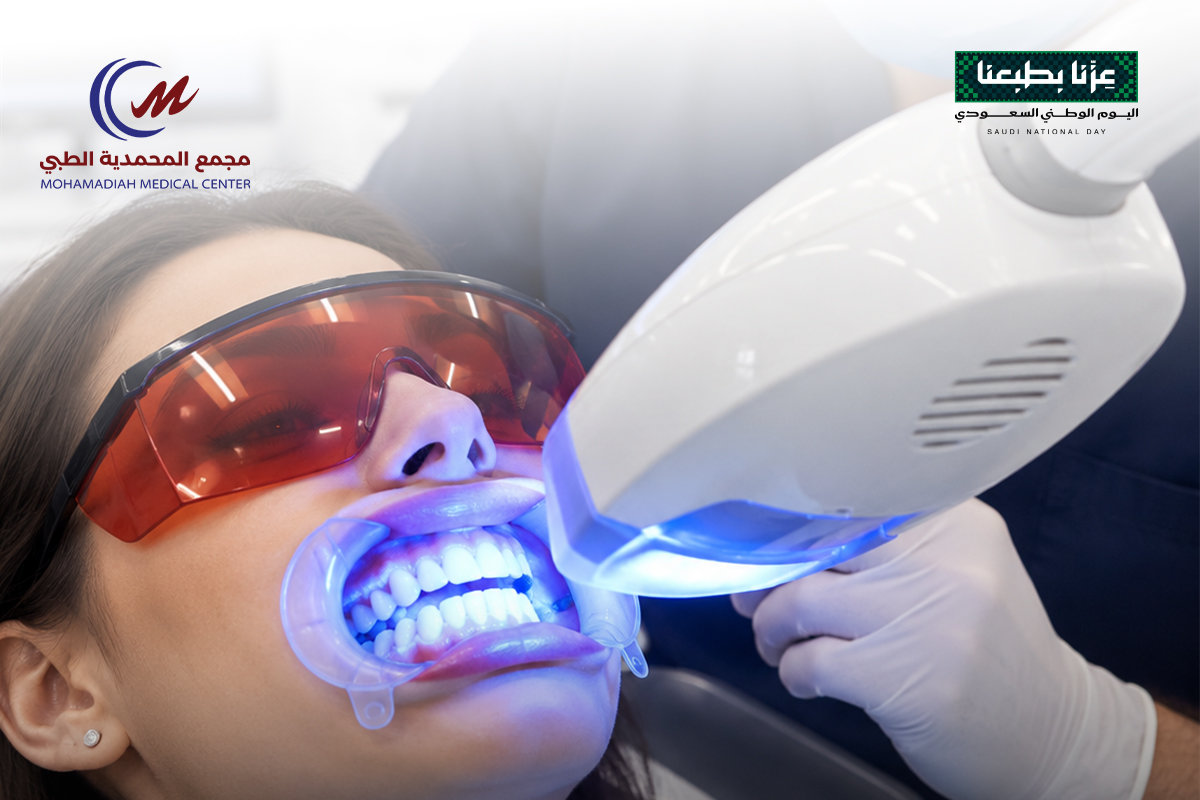
At-Home Teeth Whitening
At-Home Teeth Whitening: A Practical Way to Achieve a Brighter Smile
Tooth discoloration and staining are common over time, especially with frequent consumption of coffee, tea, and certain foods and drinks. At-home teeth whitening is one option that can help brighten the appearance of natural teeth and can be carried out at home under the guidance of a dentist.
What Is At-Home Teeth Whitening?
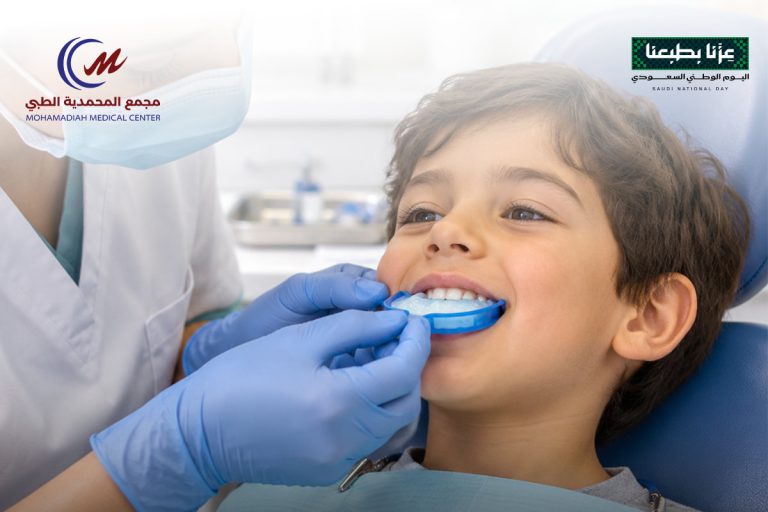
At-home teeth whitening uses custom whitening trays along with a whitening gel recommended by a dentist. The gel is placed inside the trays, which are then worn for a specific period according to the dentist’s instructions.
This method can gradually lighten the color of the teeth while allowing the duration and frequency of use to be adjusted according to the individual treatment plan.
How Does At-Home Teeth Whitening Work?
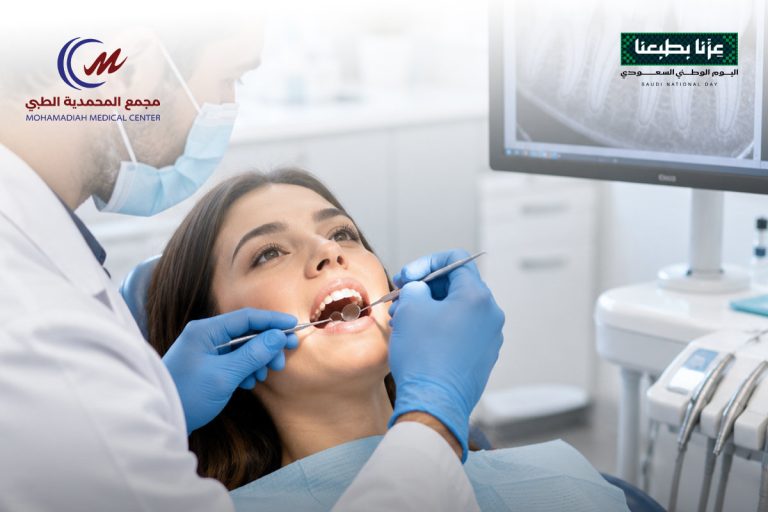
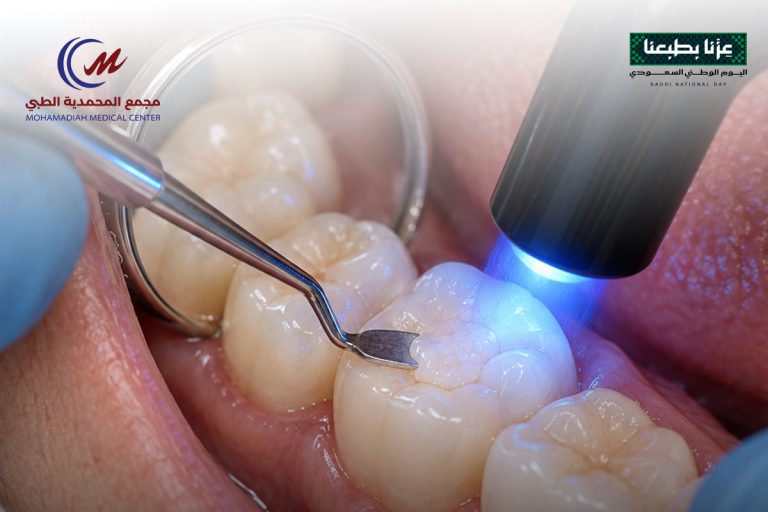
Before starting treatment, the dentist evaluates the condition of the teeth and gums to make sure there are no dental problems that need to be treated first.
The whitening trays are then prepared, and the whitening gel is used inside the trays according to the recommended instructions. The wearing time and frequency vary from person to person, so it is important to follow the dentist’s specific instructions.
What Are the Benefits of At-Home Teeth Whitening?
Some of the main benefits include:
- Convenient use at home
- Gradual whitening of the teeth
- Easy to incorporate into your daily routine
- The ability to monitor the results with your dentist
- A suitable option for people who prefer whitening without a full in-office procedure
What Affects the Whitening Results?
Whitening results vary from person to person and may depend on the original tooth color, the type of stains, and how consistently the treatment instructions are followed.
Some deep stains or discoloration caused by certain medications or internal factors may not respond to whitening to the same extent.
Can You Use At-Home Whitening Without a Dental Checkup?
A dental evaluation is recommended before starting whitening treatment. Tooth decay, gum inflammation, or other dental problems may need to be treated first.
It is also important to know that fillings, crowns, and other dental restorations do not whiten in the same way as natural teeth. Your dentist can assess your teeth and explain the expected results.
Does At-Home Whitening Cause Tooth Sensitivity?
Some people may experience temporary tooth sensitivity during or after whitening treatment. The level of sensitivity varies from person to person.
To reduce the likelihood of sensitivity, use the recommended amount of whitening gel and follow the wearing time specified by your dentist. Do not extend the treatment time in an attempt to achieve faster results.
How Can You Maintain Your Whitening Results?
After whitening, maintaining good oral hygiene and reducing foods and drinks that can cause staining, such as coffee, tea, and colored beverages, can help preserve the results for longer.
Regular dental checkups and professional cleaning, when recommended by your dentist, can also help maintain your oral health and the appearance of your smile.
A Brighter Smile from the Comfort of Home
At-home teeth whitening can be a convenient option for people who want to gradually brighten their natural teeth using whitening trays and gel according to their dentist’s instructions.
Before starting, a dental evaluation is an important step to determine the most appropriate and safe whitening approach for your teeth